
Category: Medications - Page 3
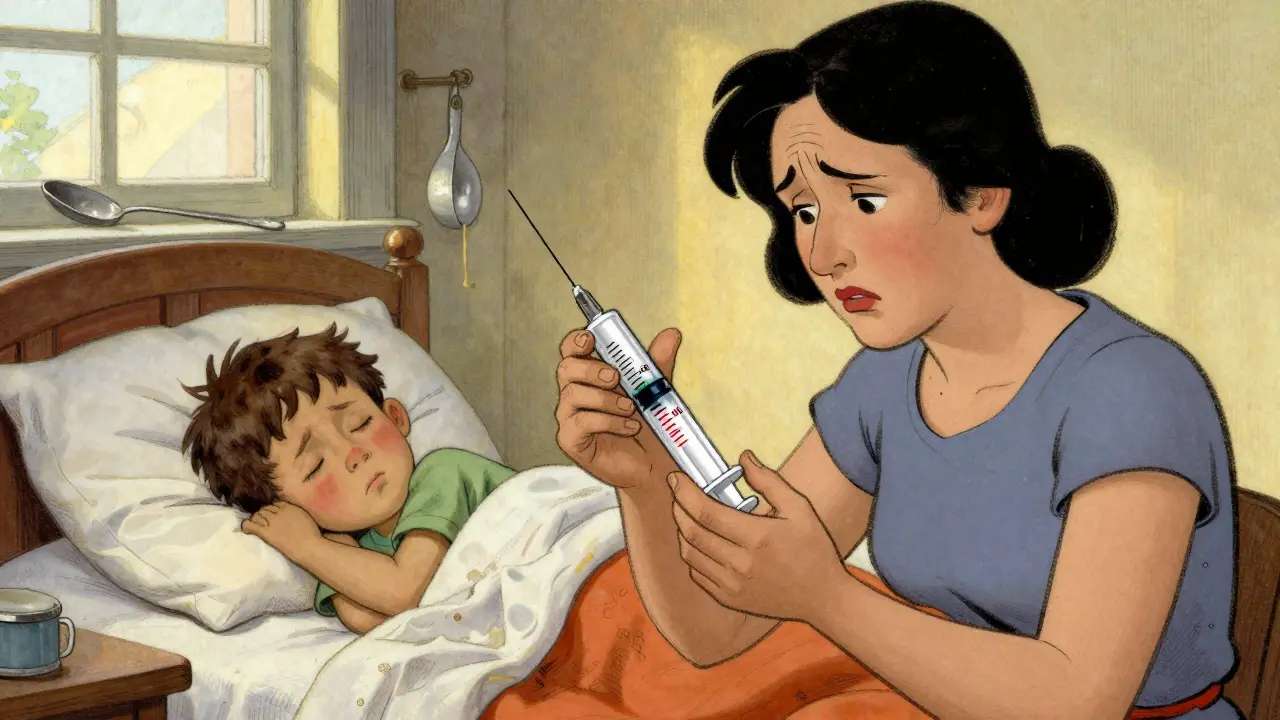
Visual Dosing Aids: Syringes, Droppers, and Measuring Tools for Safer Medication Use
Visual dosing aids like syringes, droppers, and measuring cups reduce medication errors by using color, bold markings, and simplified designs. They’re essential for children, seniors, and emergency care-making accurate dosing easy to see and impossible to miss.
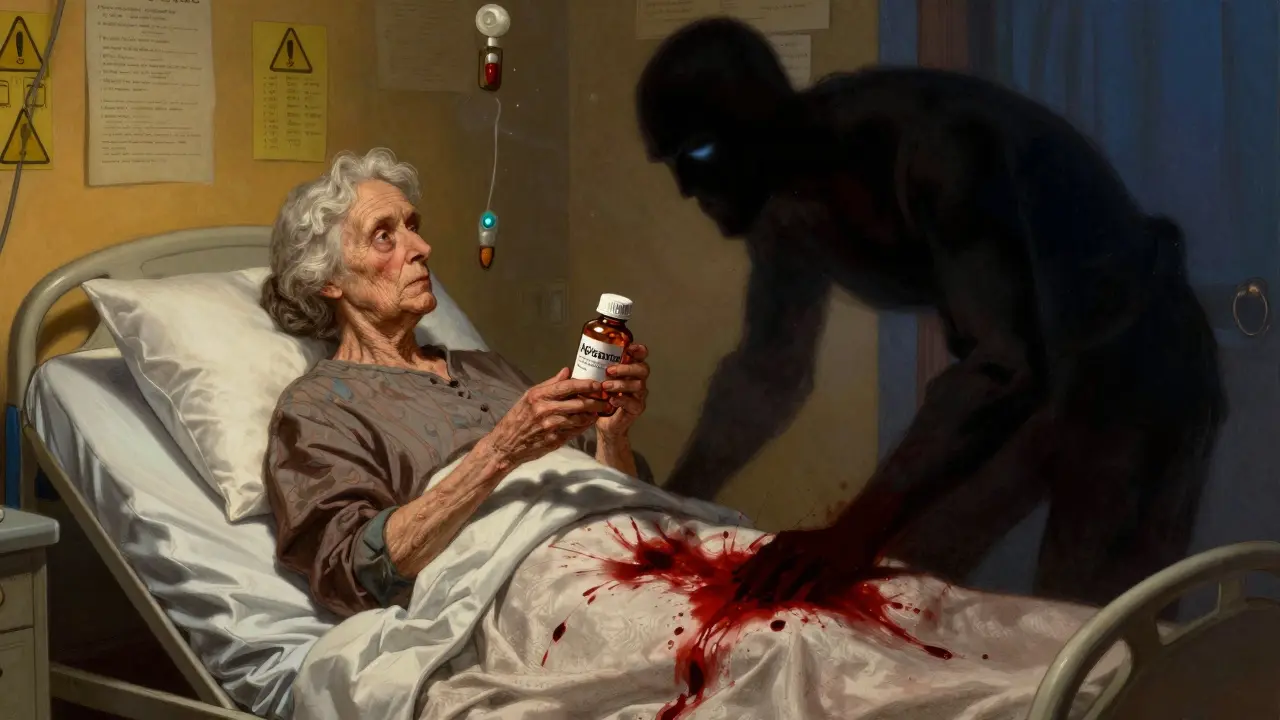
Blood Thinners and NSAIDs: Why This Drug Combo Can Be Life-Threatening
Combining blood thinners with NSAIDs like ibuprofen or naproxen can more than double your risk of life-threatening bleeding. Learn why this dangerous interaction affects all anticoagulants and what safer alternatives exist.
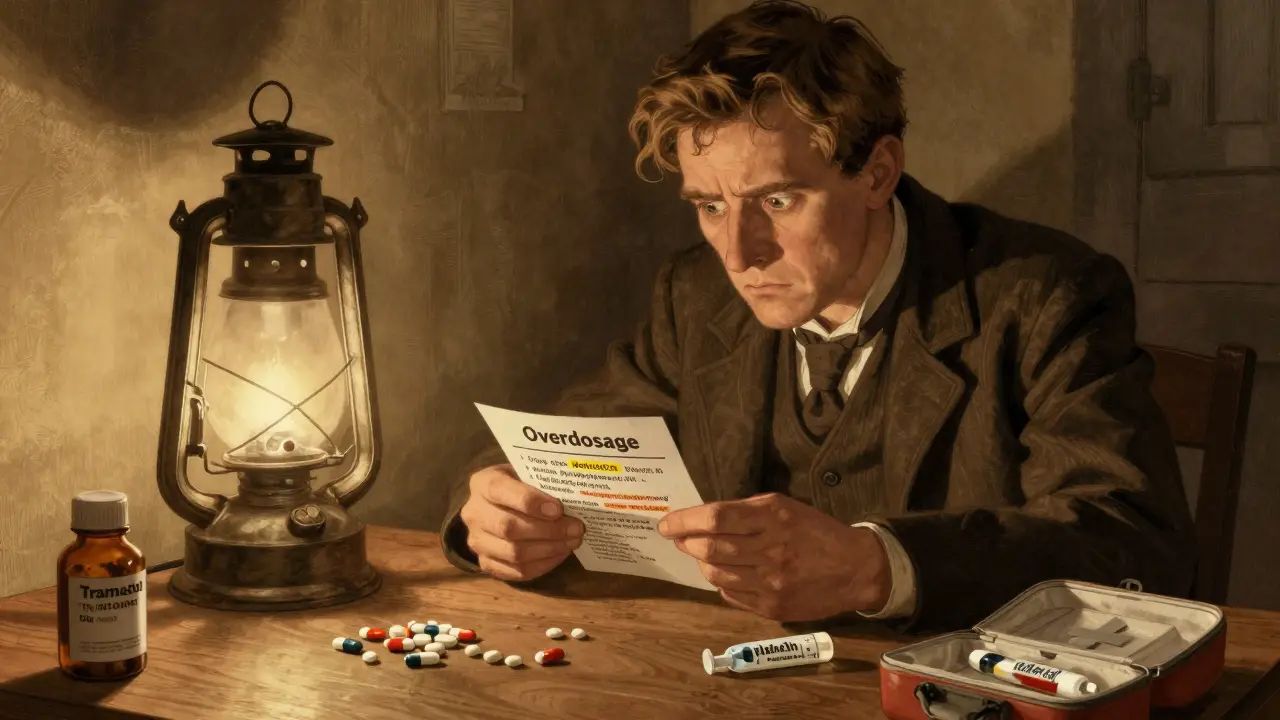
How to Read Medication Guides for Overdose Warnings and Antidotes
Learn how to find overdose warnings and antidote information in your medication guides. Know what to look for, how to act, and when to get help before it's too late.
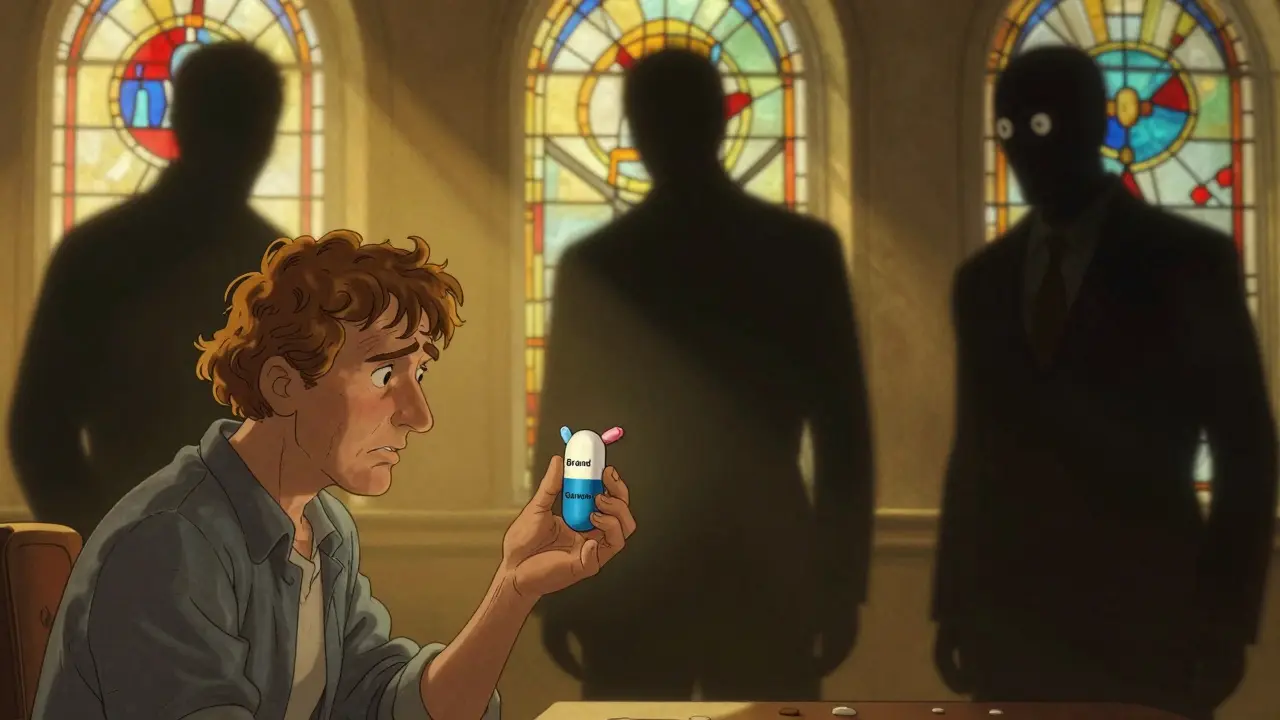
Drug Interaction Issues: When Generics Interact Unexpectedly
Generic drugs are just as safe as brand-name ones - but unexpected reactions can happen due to inactive ingredients, not the active drug. Learn what really causes interaction issues and how to protect yourself.
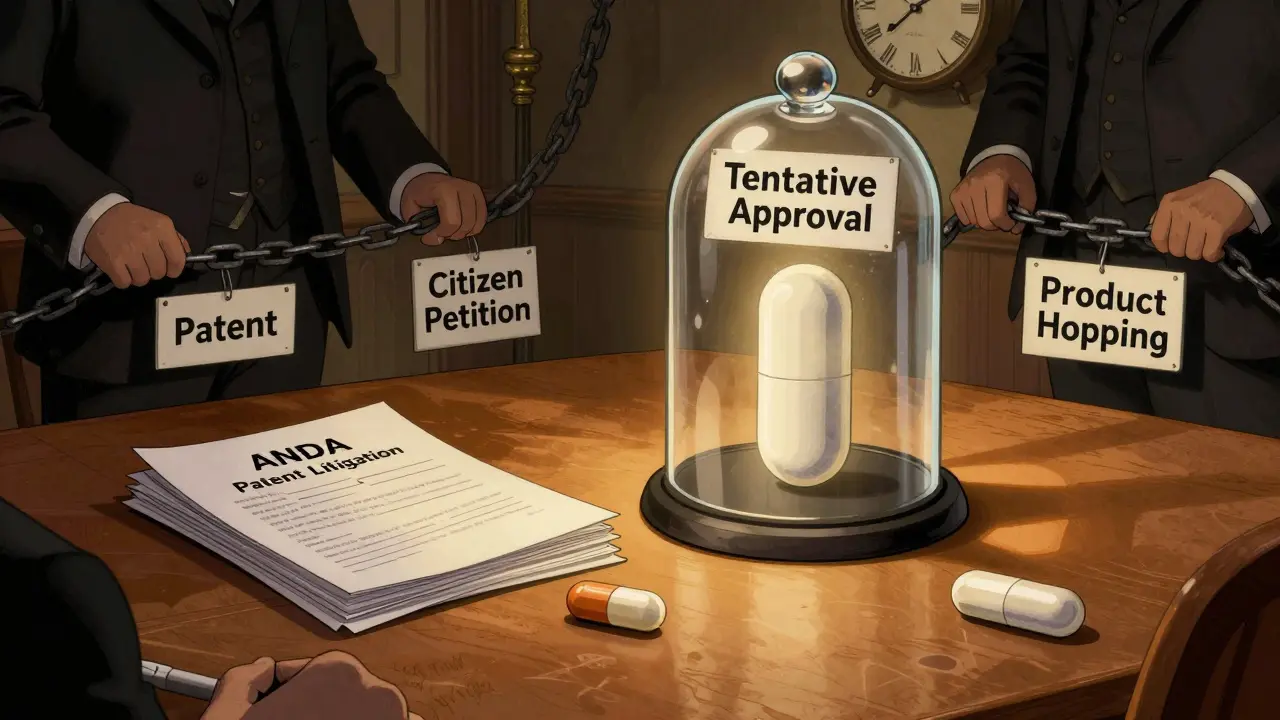
Tentative Approval for Generics: Why These Drugs Stay Locked Up for Years
Tentative FDA approval for generics means a drug is scientifically ready-but often stuck for years due to patents, manufacturing issues, and market economics. Here’s why so many cheap drugs never reach patients.
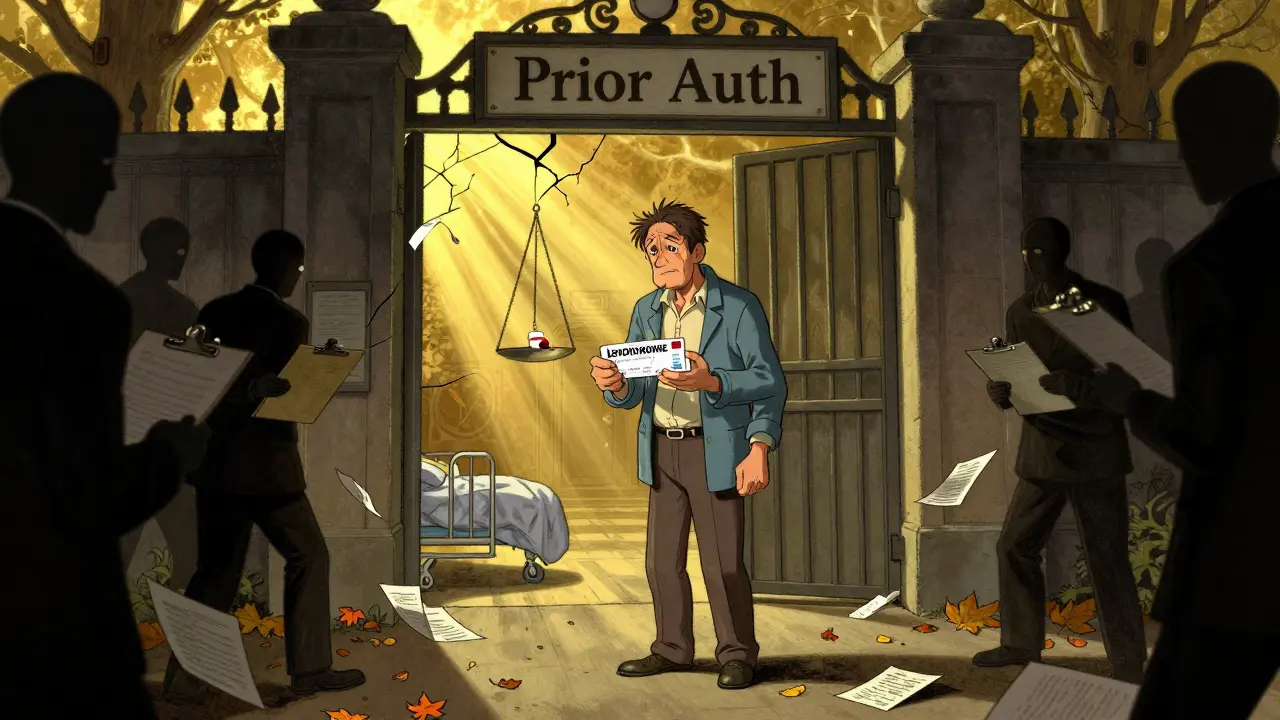
Prior Authorization for NTI Drugs: When Insurers Require Brand-Name Medications
NTI drugs like levothyroxine and phenytoin require extreme dosing precision. Yet insurers often force patients to use generics and demand prior authorization - risking seizures, hospitalizations, and worse. Here’s what you need to know.
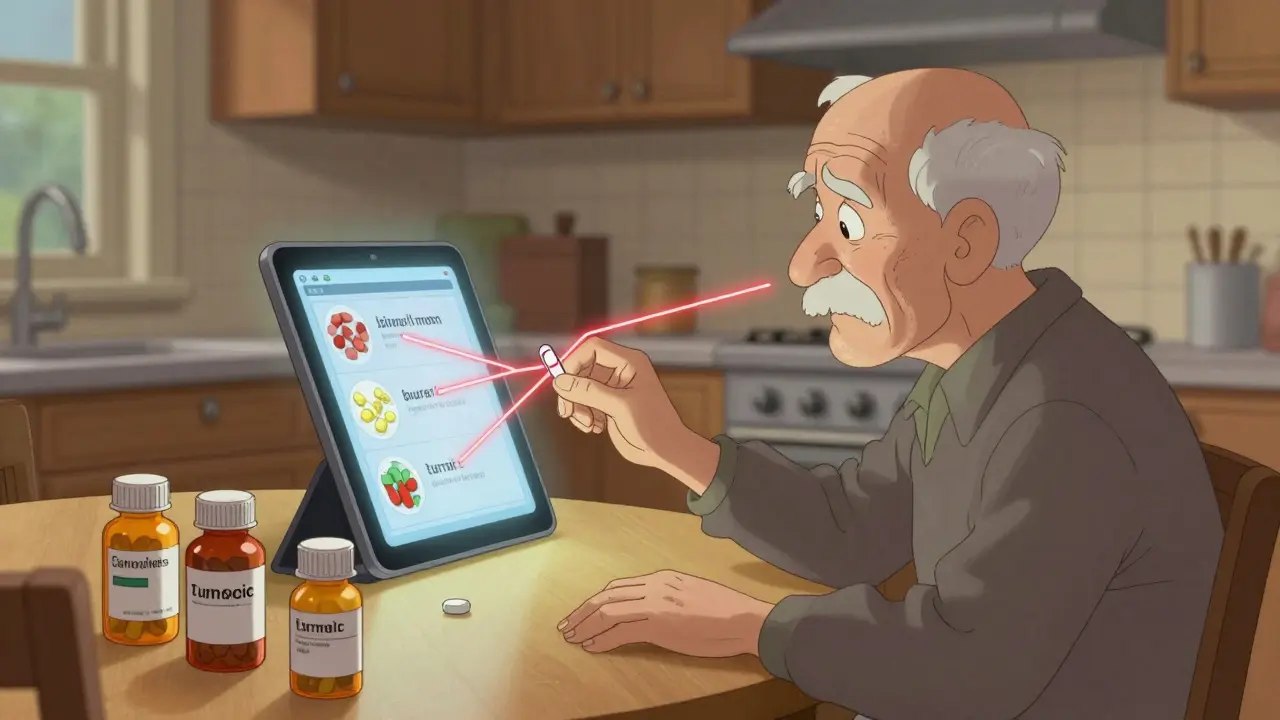
Generic Drug Interactions: How Digital Consultation Tools Keep You Safe
Digital tools help catch dangerous interactions between generic drugs, preventing serious side effects. Learn which apps work best, how to use them, and why even free tools can save your life.
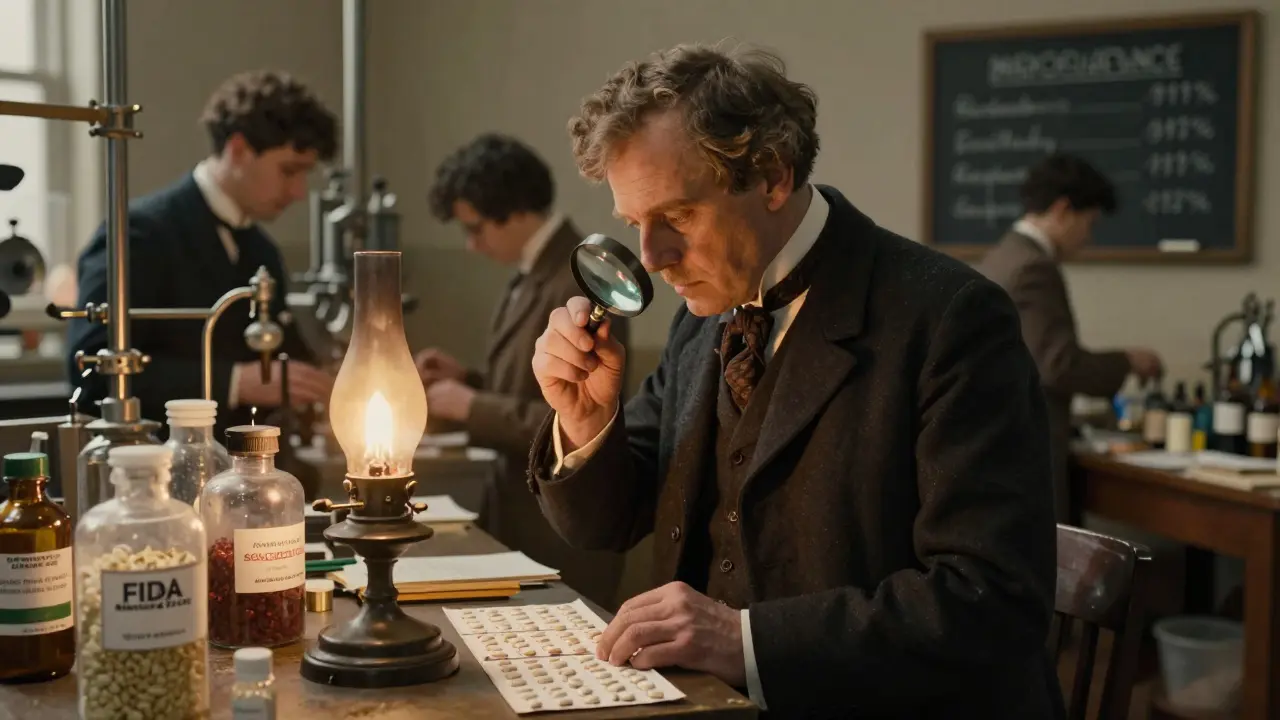
How the FDA Ensures Generic Drug Safety Through Manufacturing Oversight
The FDA ensures generic drugs are as safe and effective as brand-name versions through strict manufacturing oversight, bioequivalence testing, and global inspections. Learn how every pill is monitored from factory to pharmacy.
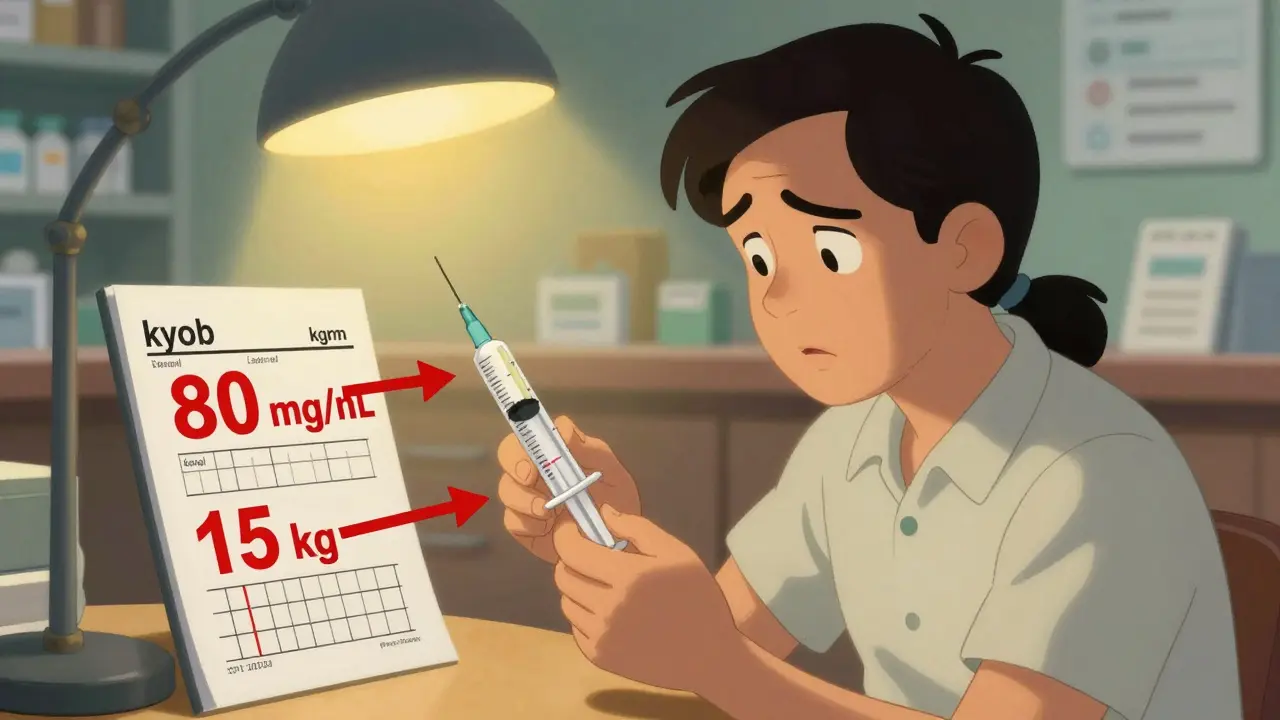
How to Confirm Pediatric Dosing on a Child’s Prescription Label: A Step-by-Step Safety Guide
Learn how to safely confirm pediatric dosing on a child’s prescription label by checking weight in kg, verifying milligram doses, matching concentrations, and asking the right questions to prevent dangerous errors.
OTC Sleep Aids: What They Really Do, Side Effects, and How Long You Should Use Them
OTC sleep aids may help you fall asleep faster, but they don't fix insomnia. Learn the real risks, side effects, and why non-drug solutions like CBT-I work better long-term.