
Category: Medications - Page 2
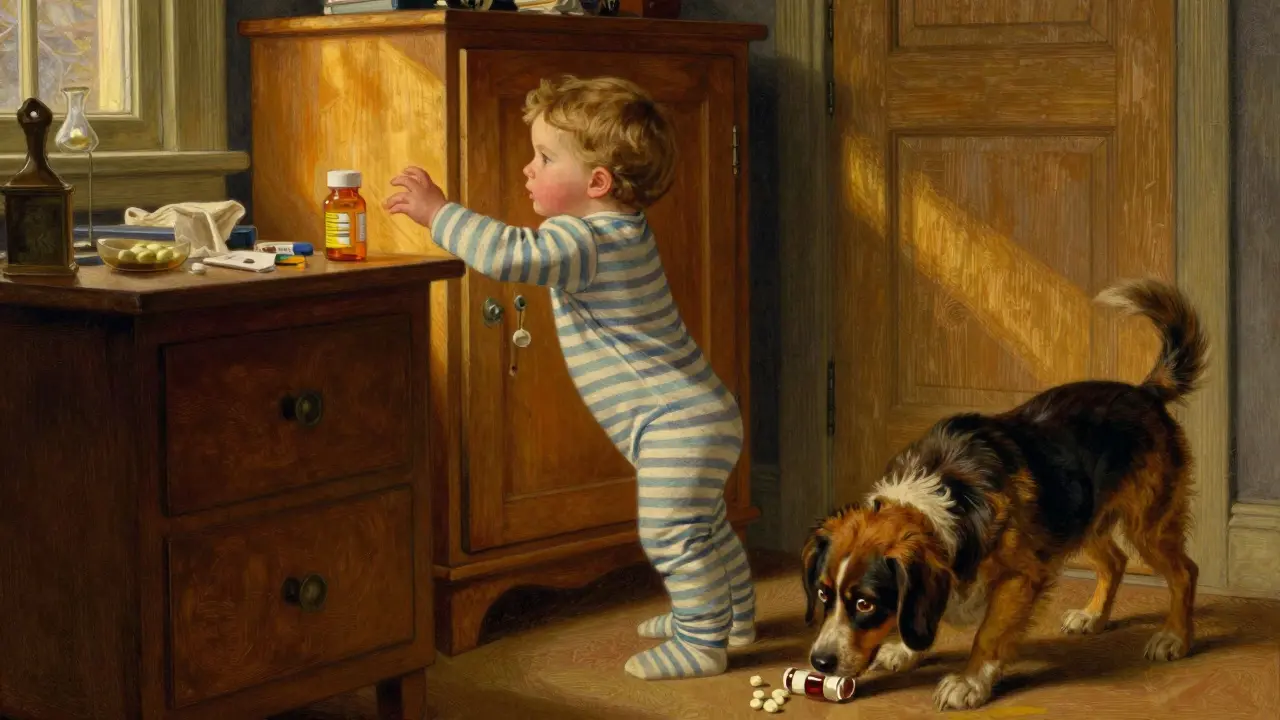
Safe Storage of Medications: Keeping Children and Pets Protected
Accidental medicine poisoning kills and injures thousands of children and pets every year. Locking up meds, keeping human and pet drugs separate, and using original packaging can prevent most of these tragedies. Simple steps save lives.
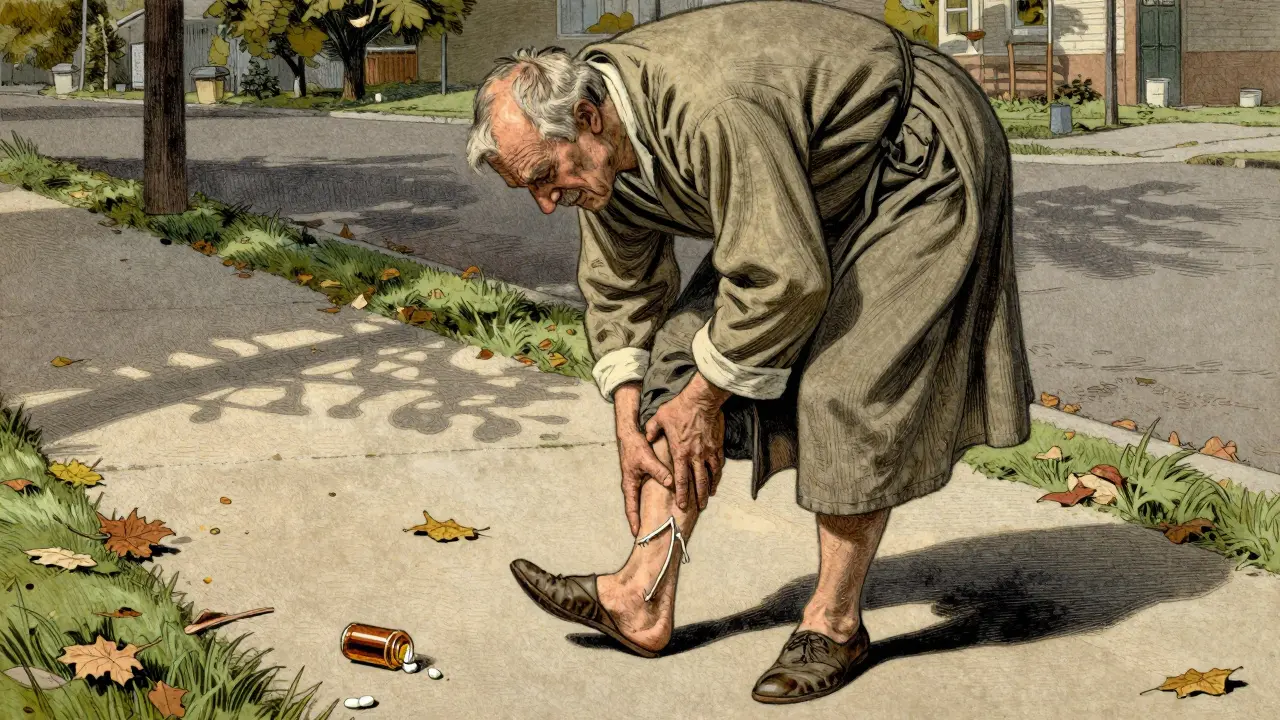
Fluoroquinolones and Tendon Rupture: What You Need to Know About the Risk
Fluoroquinolone antibiotics like ciprofloxacin and levofloxacin can cause sudden, serious tendon damage - especially in older adults and those on steroids. Learn who’s at risk, what to watch for, and how to avoid permanent injury.
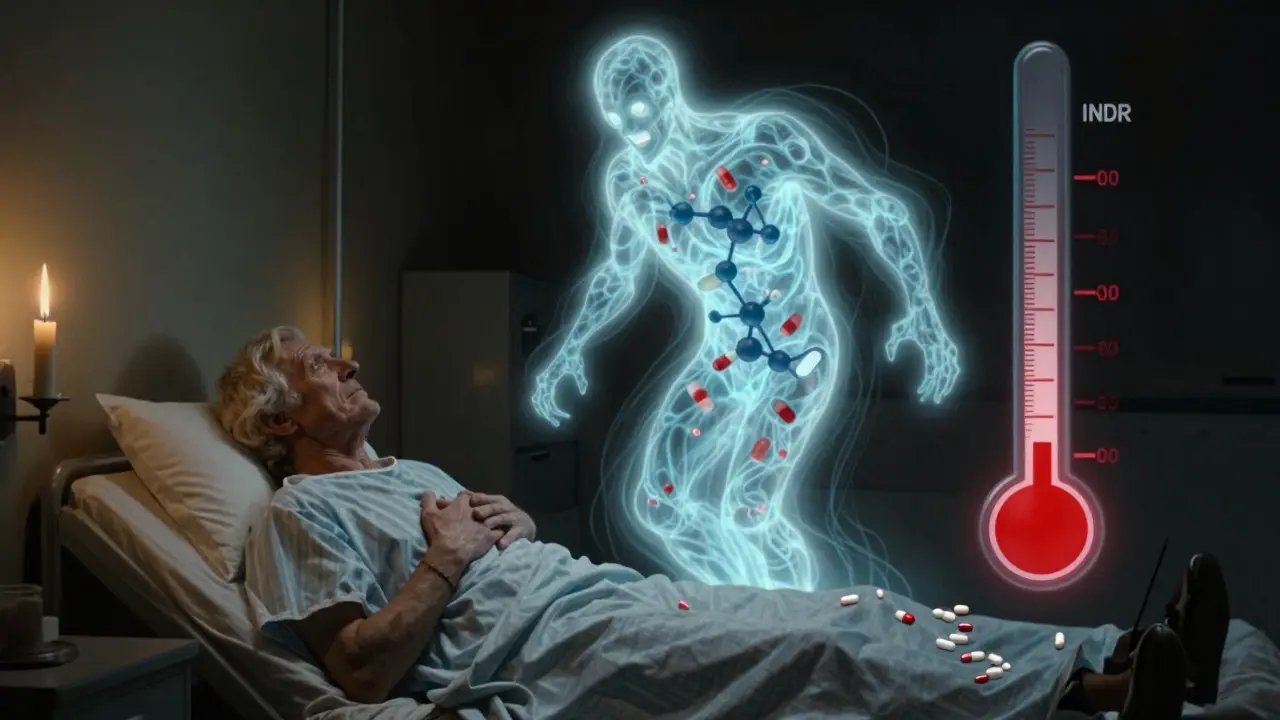
Trimethoprim-Sulfamethoxazole and Warfarin: How This Combo Raises INR and Risks Bleeding
Trimethoprim-sulfamethoxazole (Bactrim) can cause dangerous INR spikes in people taking warfarin, raising bleeding risk. Learn why this interaction happens, how to prevent it, and what to do if your INR rises.

Medications Never to Put in Household Trash: A Safety List
Some medications are so dangerous they must be flushed down the toilet - not thrown in the trash. Learn which ones are on the FDA's safety list and how to dispose of them safely to prevent accidental overdoses.

Patent Term Restoration Explained: How to Extend Patent Life for Drugs and Devices
Patent Term Restoration (PTE) helps drug developers recover lost patent time due to FDA approval delays. Learn how the Hatch-Waxman Act works, eligibility rules, current trends, and common pitfalls. With over 1,200 extensions granted between 2010-2020, PTE is crucial for pharmaceutical innovation.
Quality by Design in Generic Drug Development: Science-Based Approaches for Better Quality and Approval Rates
Quality by Design (QbD) revolutionizes generic drug development by integrating science and risk management from the start. Learn how it reduces FDA review times, cuts costs, and improves product quality. Real-world examples and future trends in this detailed guide.
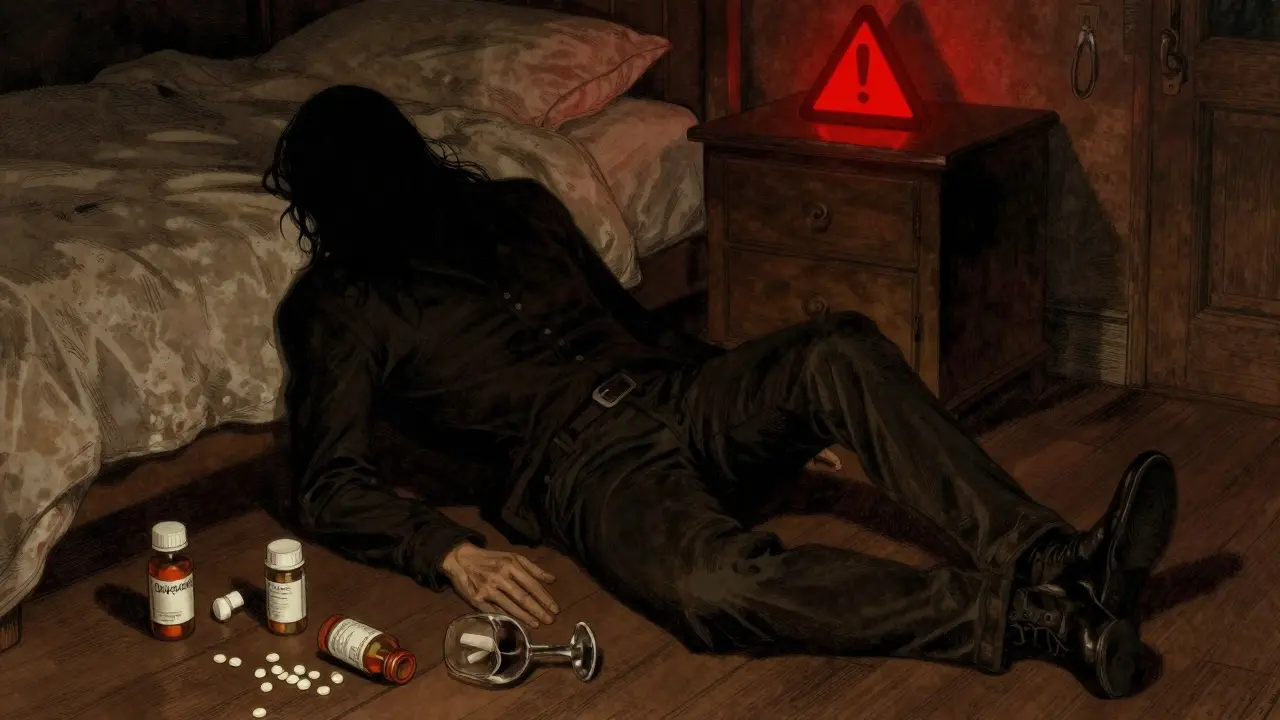
Red Flag Drug Combinations to Avoid for Safer Treatment
Certain drug combinations can be deadly - even when all substances are legal. Learn the most dangerous interactions between opioids, alcohol, benzodiazepines, and stimulants, and how to avoid fatal overdoses.

Prednisone and Prednisolone Side Effects: What You Need to Know About Short-Term and Long-Term Risks
Prednisone and prednisolone are effective for inflammation but carry serious short- and long-term side effects. Learn what to expect, how to reduce risks, and when to ask for alternatives.

GERD and Bisphosphonates: How to Prevent Esophageal Irritation
Bisphosphonates help prevent bone fractures but can irritate the esophagus, especially in people with GERD. Learn how to take them safely to avoid pain, ulcers, and long-term damage.
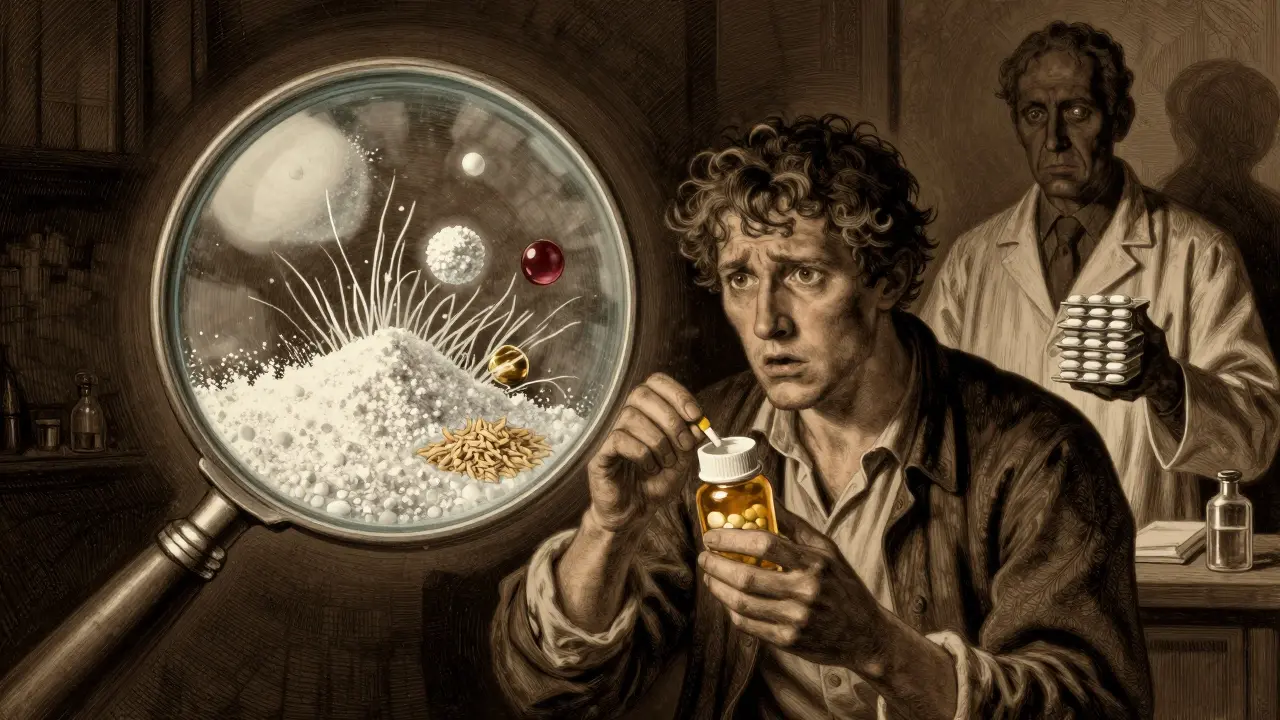
How to Address Allergies to Inactive Ingredients in Generics
Many generic medications contain hidden allergens like lactose, gluten, or food dyes that can trigger reactions-even though they have the same active ingredient as brand-name drugs. Learn how to identify risky excipients and protect yourself.