
23 Feb 2026
- 9 Comments
Fluoroquinolone Tendon Risk Assessment Tool
This tool assesses your personal risk for tendon rupture when taking fluoroquinolone antibiotics. Based on data from major studies, it identifies key risk factors discussed in medical literature.
Results will appear here after calculation.
Important: This tool provides general risk assessment based on published medical studies. It should not replace professional medical advice.
When you take an antibiotic to fight a serious infection, you expect relief - not a sudden, painful tear in your tendon. Yet for some people, common antibiotics like fluoroquinolones can trigger exactly that. Tendon rupture isn’t a rare side effect - it’s a well-documented, potentially disabling risk that doctors are now required to warn you about before prescribing these drugs.
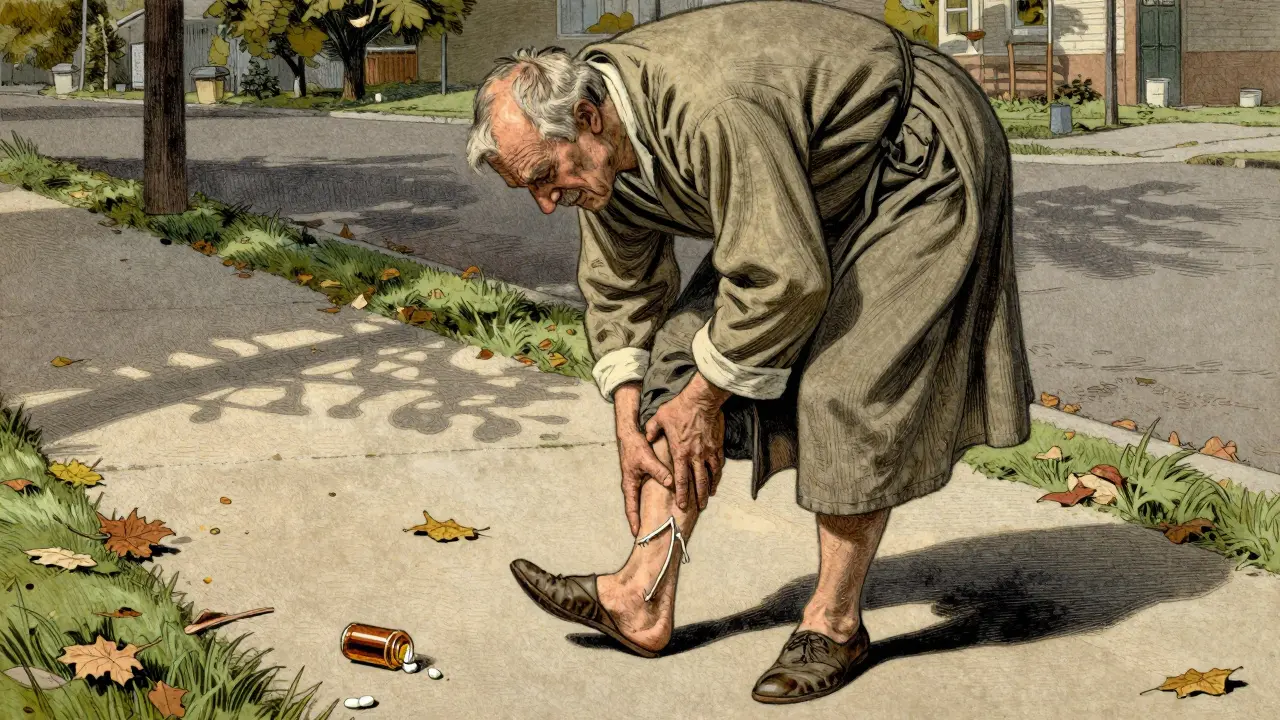
Fluoroquinolones, which include ciprofloxacin, levofloxacin, and moxifloxacin, have been used for decades to treat everything from pneumonia to urinary tract infections. But behind their effectiveness lies a dark side: they can weaken tendons, especially the Achilles tendon in the ankle. In fact, studies show that 89.8% of reported tendon injuries from these drugs involve the Achilles. And when it happens, it’s often sudden - no warning, no trauma, just pain, swelling, and sometimes a complete snap.
How Dangerous Are Fluoroquinolones Really?
The U.S. Food and Drug Administration (FDA) put a black-box warning on fluoroquinolones in 2008 - the strongest possible alert. It wasn’t a small concern. By 2018, the FDA had updated its guidance again, emphasizing that tendon damage can be permanent. The European Medicines Agency and the UK’s MHRA followed with similar restrictions. These aren’t just bureaucratic moves. They’re based on data from millions of patients.
A 2022 study analyzing 357,070 people in Taiwan found that those who took fluoroquinolones had a 42% higher risk of tendon disorders compared to those who didn’t. Another study of 6.4 million patients in the UK showed that fluoroquinolone users were more than four times as likely to develop Achilles tendinitis and twice as likely to suffer a rupture. These aren’t outliers - they’re consistent patterns across continents and populations.
Even more troubling? The timing. Most cases show up within the first month of taking the drug - often within just 6 days. But symptoms can appear even after you’ve stopped taking it. One patient in a case report felt tendon pain two weeks after finishing their course. Another ruptured their Achilles tendon three months later. That delay makes it easy to miss the connection.
Who’s at Highest Risk?
Not everyone who takes fluoroquinolones will have a problem. But certain people are far more vulnerable. The biggest risk factor? Age. If you’re over 60, your odds of tendon rupture jump dramatically. For those over 80, the risk is more than 20 times higher than in younger adults. Why? As we age, our tendons naturally lose elasticity and repair capacity. Fluoroquinolones seem to accelerate that breakdown.
Another major red flag: corticosteroids. If you’re taking prednisone or another steroid - even a short course - your risk of tendon rupture increases by 46 times. That’s not a typo. That’s a 46-fold increase. Combining these two drugs is like setting a time bomb in your tendon.
Other high-risk groups include people with kidney disease, diabetes, or a history of previous tendon injuries. Transplant patients on immunosuppressants are also at elevated risk. And while it’s less clear-cut, some data suggests women may be slightly more likely to experience tendon issues than men - though researchers still don’t know why.
Why Does This Happen?
Fluoroquinolones don’t just kill bacteria. They also interfere with how your body’s own cells function. One theory is that these drugs trigger mitochondrial toxicity - damaging the energy factories inside your tendon cells. This leads to cell death and weakens the tissue. Another mechanism involves chelation: fluoroquinolones bind to magnesium and other minerals your tendons need to stay strong. Without those minerals, collagen fibers fray and lose their tensile strength.
There’s also evidence that fluoroquinolones cause oxidative stress, flooding tendon tissue with harmful free radicals. These molecules attack proteins and DNA, accelerating degeneration. That’s why tendons - which have poor blood supply and slow healing - are especially vulnerable. The Achilles tendon, in particular, bears constant stress with every step. When its structure is compromised, it doesn’t take much to snap.
Which Fluoroquinolones Are Most Dangerous?
All fluoroquinolones carry this risk, but some are more commonly linked to tendon damage than others. According to data from the global VigiBase database:
- Levofloxacin: 50.04% of cases
- Ciprofloxacin: 38.41% of cases
- Moxifloxacin: 5.16% of cases
Levofloxacin and ciprofloxacin are the most frequently prescribed - and the most frequently tied to tendon problems. Moxifloxacin, while still risky, appears less common in reported cases. That doesn’t mean it’s safe - just less used. If your doctor prescribes one of these, ask why. Is there a safer alternative?
What Should You Do If You’re Prescribed Fluoroquinolones?
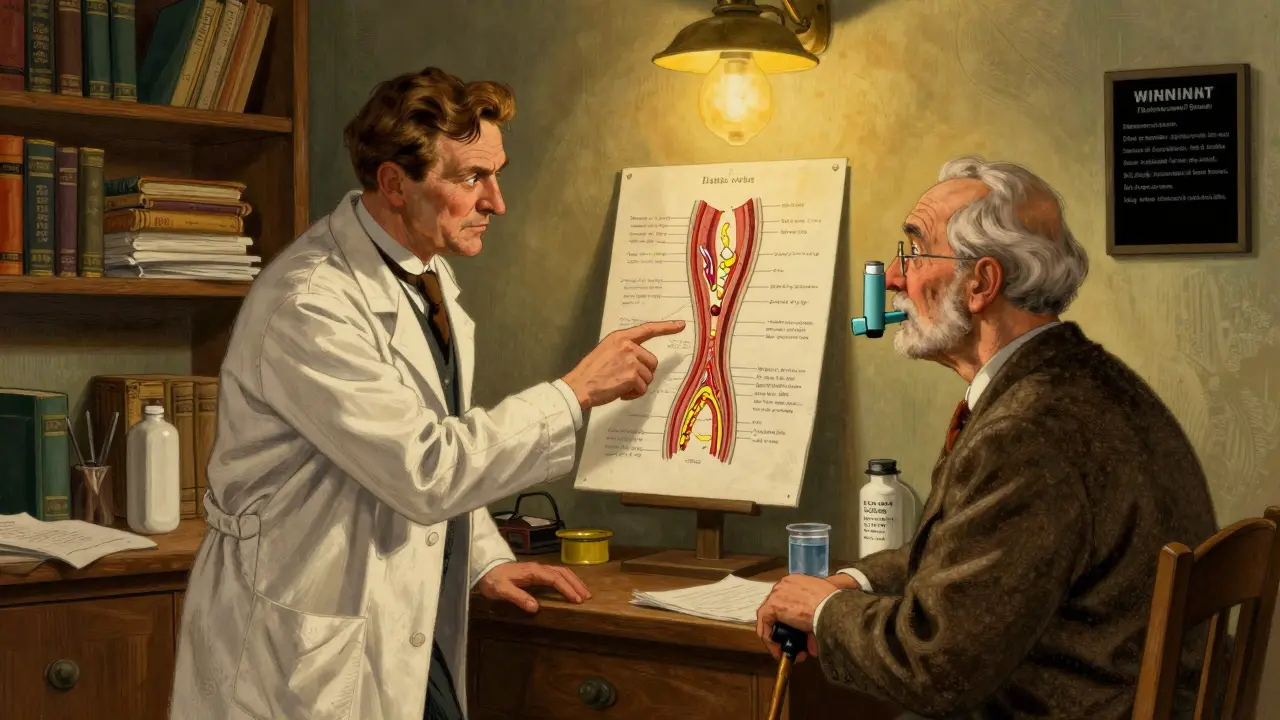
Don’t panic. Fluoroquinolones still have a place in medicine. They’re life-saving for serious infections like anthrax, complicated UTIs, or when other antibiotics fail. But they should never be the first choice for a simple sinus infection, bronchitis, or ear infection.
Here’s what to ask your doctor:
- Is this infection serious enough to warrant a fluoroquinolone?
- Have you considered other antibiotics with fewer side effects?
- Am I at higher risk because of my age, medications, or health conditions?
- What signs should I watch for - and what should I do if I feel tendon pain?
If you’re over 60, on steroids, or have kidney problems, push back. There are alternatives. For example, amoxicillin, doxycycline, or trimethoprim-sulfamethoxazole often work just as well - without the tendon risk.

What If You Already Took Fluoroquinolones?
Most people take these drugs without issue. But if you’ve taken one recently - even months ago - and now feel pain, swelling, or stiffness in your Achilles, calf, or shoulder tendons, don’t ignore it. Tendonitis can turn into rupture in hours. One study found half of ruptures happened within a week of starting the drug. In rare cases, symptoms started within two hours.
Stop taking the antibiotic immediately. Call your doctor. Don’t wait. Avoid activities that strain the area - no running, jumping, or even prolonged walking. Rest, ice, and immobilization are critical. Physical therapy may help later, but early intervention is what prevents a full rupture.
What’s Being Done to Fix This?
Regulators are acting. The Infectious Diseases Society of America now recommends fluoroquinolones only as a third-line option - after other antibiotics have failed. The CDC reports that roughly 25 million fluoroquinolone prescriptions are written in the U.S. each year. That’s down from peak levels, but still too high.
Researchers are now looking for biomarkers that could predict who’s at risk. Genetic testing might one day show if someone is more likely to suffer tendon damage. Meanwhile, drug companies are exploring modified versions of fluoroquinolones that keep the antibacterial power but reduce tendon toxicity. None are on the market yet.
For now, the message is clear: fluoroquinolones are not harmless. They’re powerful tools - but tools that can break your body if used carelessly.
Can fluoroquinolones cause tendon damage even after I stop taking them?
Yes. While most tendon issues appear during treatment, symptoms can start days or even months after you’ve finished the course. The UK’s MHRA reports cases of tendon rupture occurring up to several months after stopping fluoroquinolones. This delayed onset makes it harder to connect the drug to the injury, which is why patients need to stay alert even after completing their prescription.
Is tendon damage from fluoroquinolones reversible?
Sometimes, but not always. Mild tendinitis can improve with rest, physical therapy, and stopping the drug. But once a tendon ruptures - especially if not treated quickly - permanent damage is common. Many patients require surgery and long-term rehabilitation. Some never fully regain strength or mobility. The FDA warns these side effects can be disabling and irreversible.
Why is the Achilles tendon most often affected?
The Achilles tendon is the largest and most heavily stressed tendon in the body. It connects your calf muscle to your heel and bears your full body weight during walking, running, and standing. It also has relatively poor blood flow, which slows healing. Fluoroquinolones weaken tendon structure and reduce repair capacity - a dangerous combo for a tendon that’s constantly under load.
Can I take fluoroquinolones if I’ve had a tendon rupture before?
No. A history of tendon rupture is a major contraindication. The risk of re-injury is extremely high. The FDA explicitly lists prior tendon rupture as a reason to avoid fluoroquinolones. Even if you’ve recovered fully, your tendons may still be structurally weaker. Your doctor should choose a different antibiotic.
Are there any safe alternatives to fluoroquinolones?
Yes, for most common infections. For urinary tract infections, trimethoprim-sulfamethoxazole or nitrofurantoin are often effective. For respiratory infections, amoxicillin, doxycycline, or azithromycin are preferred. For skin infections, clindamycin or cephalexin are good options. Fluoroquinolones should only be used when these alternatives won’t work - like in severe, drug-resistant infections or anthrax exposure.
Final Takeaway
Fluoroquinolones aren’t evil drugs. They’ve saved lives. But they’re not safe for everyone - or even for most routine infections. If you’re over 60, on steroids, or have kidney issues, ask your doctor: Is this really the right antibiotic? If the answer is yes, make sure you know the warning signs. Pain, swelling, or stiffness in your tendons isn’t just a nuisance - it could be the first sign of a rupture. Don’t wait. Get help fast.
Dominic Punch
February 24, 2026Been there. Took cipro for a UTI at 62. Three days in, felt like someone kicked my ankle. Didn’t think much of it-just thought I twisted it. Then-snap. No warning. No fall. Just a loud pop and me on the floor. ER said it was fluoroquinolone-induced rupture. Surgery. 8 months of PT. Still can’t run. They don’t tell you this stuff. You think antibiotics = safe. Nope. This drug is a silent killer for tendons.
Brooke Exley
February 26, 2026Y’all need to stop treating antibiotics like candy. I’m a nurse. I’ve seen this happen too many times. Doc prescribes cipro for a sinus infection? No. Just… no. Amoxicillin works just fine. Fluoroquinolones? Save ‘em for the real emergencies. And if you’re over 60? Don’t even let them hand you the script. Say no. Politely. But say it. Your tendons will thank you.
Alfred Noble
February 26, 2026so i took levaquin for pneumonia last year and yeah my achilles was kinda sore but i thought it was just from being bedridden? then 3 weeks later i was walking to the fridge and heard a crack. like a rubber band snapping. no pain at first then boom. 6 months of rehab. doc said it was 100% the drug. wtf. why do they still sell this stuff??
Matthew Brooker
February 27, 2026Look. I get that pharma makes billions off these. But the FDA black box warning? That’s not a suggestion. That’s a siren. And yet doctors still hand these out like candy for bronchitis. I had a friend who got moxifloxacin for a UTI-she’s 58, no steroids, no diabetes. Ruptured her Achilles on day 7. She’s in a wheelchair now. This isn’t rare. It’s systemic. Stop normalizing it.
Joseph Cantu
February 28, 2026They know. They ALL know. The FDA, the WHO, the drug reps-they’ve known for decades. Why? Because they don’t care about you. They care about profit. Fluoroquinolones are the perfect product: high margin, low R&D cost, and a side effect that only affects ‘old people’ or ‘non-essential’ patients. This isn’t negligence. It’s genocide by prescription. And the media? Silent. Because they’re owned by the same corporations.
Jacob Carthy
February 28, 2026Why are we even talking about this? If you’re old and weak, maybe you shouldn’t be walking around at all. I’ve seen old folks fall on the sidewalk all the time. This is just one more reason to stop coddling people. If your tendon breaks, tough luck. Take the damn antibiotic and stop whining. America’s getting too soft.
Lisandra Lautert
February 28, 2026One sentence: I ruptured my Achilles on day 5 of cipro. No trauma. No warning. Just pain. Then silence. Then surgery.
Nerina Devi
March 2, 2026I come from India where antibiotics are sold over the counter without prescription. I’ve seen people buy cipro for colds. No one warns them. No one checks age. No one asks about steroids. This isn’t just a Western problem-it’s a global crisis. We need education, not just warnings. Doctors here don’t even know the risks. I’m sharing this with my family. Please, if you’re reading this-ask your doctor. Demand alternatives. Your body is not a lab experiment.
Dinesh Dawn
March 3, 2026My dad took cipro for a chest infection. He’s 73, on a low dose of prednisone for his arthritis. We didn’t connect the dots. He started limping. We thought it was arthritis flaring. Two weeks later, he couldn’t stand. Ruptured Achilles. Surgery. Now he walks with a cane. I wish we’d known. I wish someone had told us. This isn’t just medical info-it’s survival knowledge. Please, share this. Someone’s parent, sibling, friend might be reading this right now.