
13 Mar 2026
- 0 Comments
Hypoglycemia Risk Assessment Tool
Calculate your hypoglycemia risk
Based on your diabetes medications, age, and lifestyle factors
Prevention recommendations
Low blood sugar isn’t just a nuisance-it can be dangerous. If you’re taking insulin, sulfonylureas, or meglitinides for diabetes, you’re at real risk of hypoglycemia. The diabetes medications that help control your blood sugar can also drop it too low, sometimes without warning. This isn’t rare. About 1 in 4 people using insulin or sulfonylureas experience at least one severe low each year. And for many, it happens at night, during workouts, or right after skipping a meal. The good news? You can manage it. Not by avoiding treatment, but by understanding exactly how your meds work and what to do before, during, and after a low.
What Causes Hypoglycemia with Diabetes Medications?
Not all diabetes drugs cause low blood sugar. Metformin, GLP-1 agonists, and SGLT2 inhibitors rarely trigger hypoglycemia on their own. But insulin and sulfonylureas? They force your body to make more insulin, no matter what. That’s great for lowering high blood sugar-but dangerous if you don’t eat enough, exercise more than usual, or take too much.Here’s the breakdown by medication:
- Sulfonylureas (glimepiride, glipizide, glyburide): Cause low blood sugar in 15-30% of users yearly. Glyburide is the riskiest, especially in older adults.
- Meglitinides (nateglinide, repaglinide): Work fast, wear off fast. If you eat late or skip a meal after taking one, your blood sugar can crash within an hour.
- Insulin (all types): Risk varies. Long-acting insulin (like glargine) can cause lows overnight. Rapid-acting (like lispro) causes lows after meals if you miscalculate carbs.
And here’s what makes it worse: aging, kidney problems, or taking beta-blockers for high blood pressure. Beta-blockers hide the warning signs-no shaking, no sweating. You might feel dizzy or confused without realizing it’s a low. That’s why 30% of elderly patients don’t know they’re going low until it’s serious.
Recognizing the Signs-Before It’s Too Late
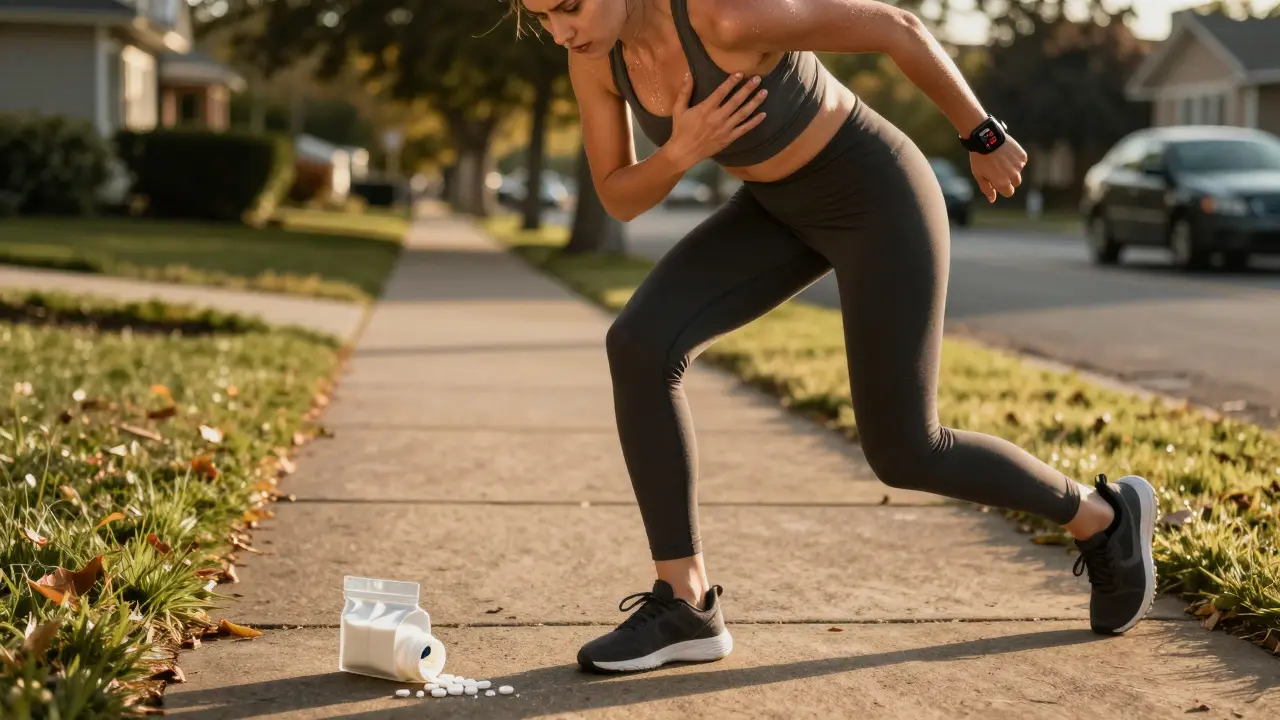
Hypoglycemia hits in two stages. First, your body screams for help. Then, your brain starts to shut down.Autonomic symptoms (below 70 mg/dL):
- Sweating (even when it’s cool)
- Trembling or shaking hands
- Hunger that comes out of nowhere
- Rapid heartbeat
- Nervousness or anxiety
Neuroglycopenic symptoms (below 55 mg/dL):
- Confusion or trouble focusing
- Drowsiness or dizziness
- Slurred speech
- Blurred vision
- Seizures or unconsciousness (if untreated)
These aren’t guesses. They’re clinical thresholds backed by the American Association of Clinical Endocrinologists. If you’re seeing one or two autonomic signs, act now. Don’t wait for confusion. By then, it’s harder to treat yourself.
The 15-15 Rule-And Why Most People Get It Wrong
The gold standard for treating mild-to-moderate lows is the 15-15 rule: consume 15 grams of fast-acting carbs, wait 15 minutes, check again. Repeat if needed.But here’s what most people do wrong:
- Using candy bars or cookies (too much fat, too slow)
- Drinking juice with pulp (slows absorption)
- Taking artificial sweeteners (zero effect)
- Waiting longer than 15 minutes to recheck
What actually works:
- Glucose tablets (4 tablets = 15g)
- 4 oz of regular soda (not diet)
- 1/2 cup fruit juice
- 1 tablespoon honey or sugar
Glucose tablets are ideal because they’re measured, portable, and fast. A 20-count pack costs $8-$12 and lasts months. Keep them in your car, purse, desk, and bedside table. A 2022 study in Patient Education and Counseling found that 63% of people used the wrong treatment-often because they didn’t know what counted as “fast-acting.”
Preventing Lows Before They Happen
Prevention beats treatment every time. Here’s how:- Match your meds to your meals. If you take repaglinide before breakfast, eat within 10 minutes. Delayed meals = low blood sugar.
- Carry a hypo bag. 54% of users who keep glucose supplies in multiple places (car, work, jacket) report fewer lows. Include tablets, juice box, and a glucagon kit.
- Use a continuous glucose monitor (CGM). CGMs reduce severe lows by 48%. The Dexcom G7 and Freestyle Libre 3 alert you before you hit 70 mg/dL. Even if you’re not on insulin, a CGM can catch drops you’d miss.
- Adjust for activity. Exercise lowers blood sugar for hours. If you walk 30 minutes, reduce your insulin dose by 20-30% or eat 15g of carbs before. Don’t guess-log it.
- Avoid alcohol on an empty stomach. Alcohol blocks your liver from releasing glucose. It’s responsible for 22% of severe lows in people under 40.
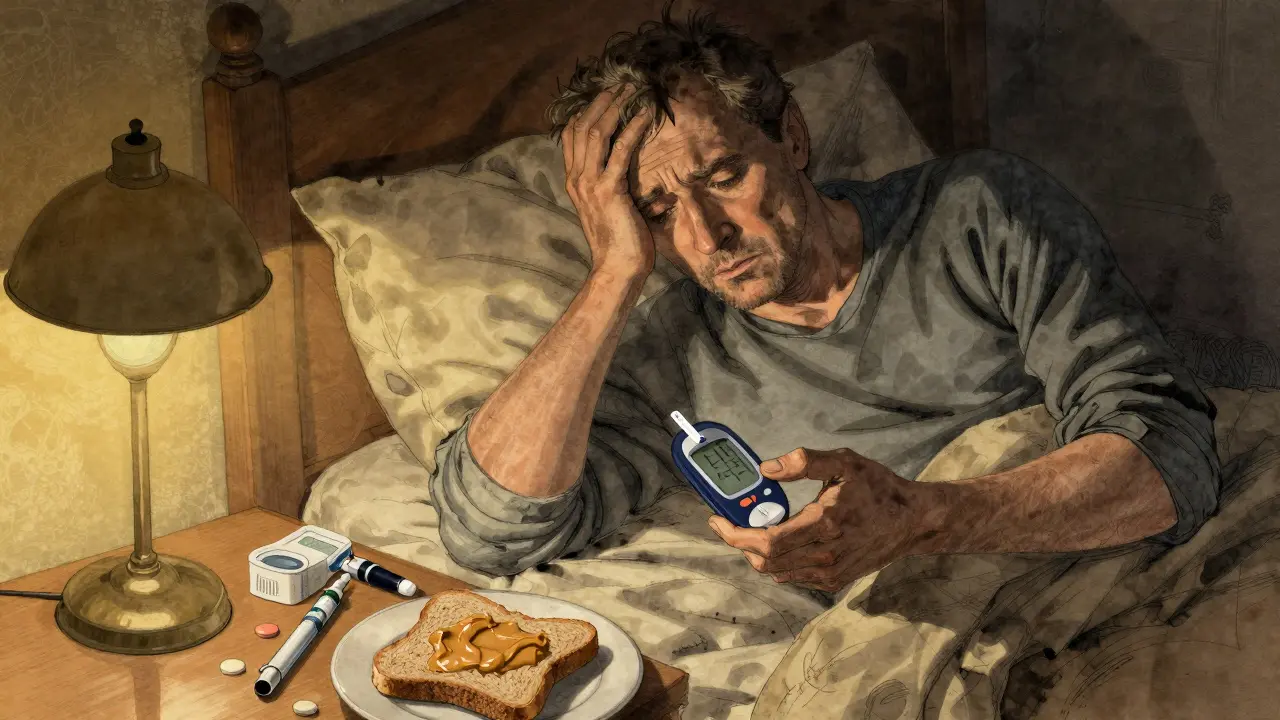
- Check your blood sugar before bed. If it’s below 100 mg/dL, eat a small snack with protein and complex carbs (like peanut butter on whole wheat). Nighttime lows are common and deadly.
When to Use Glucagon-And How to Use It
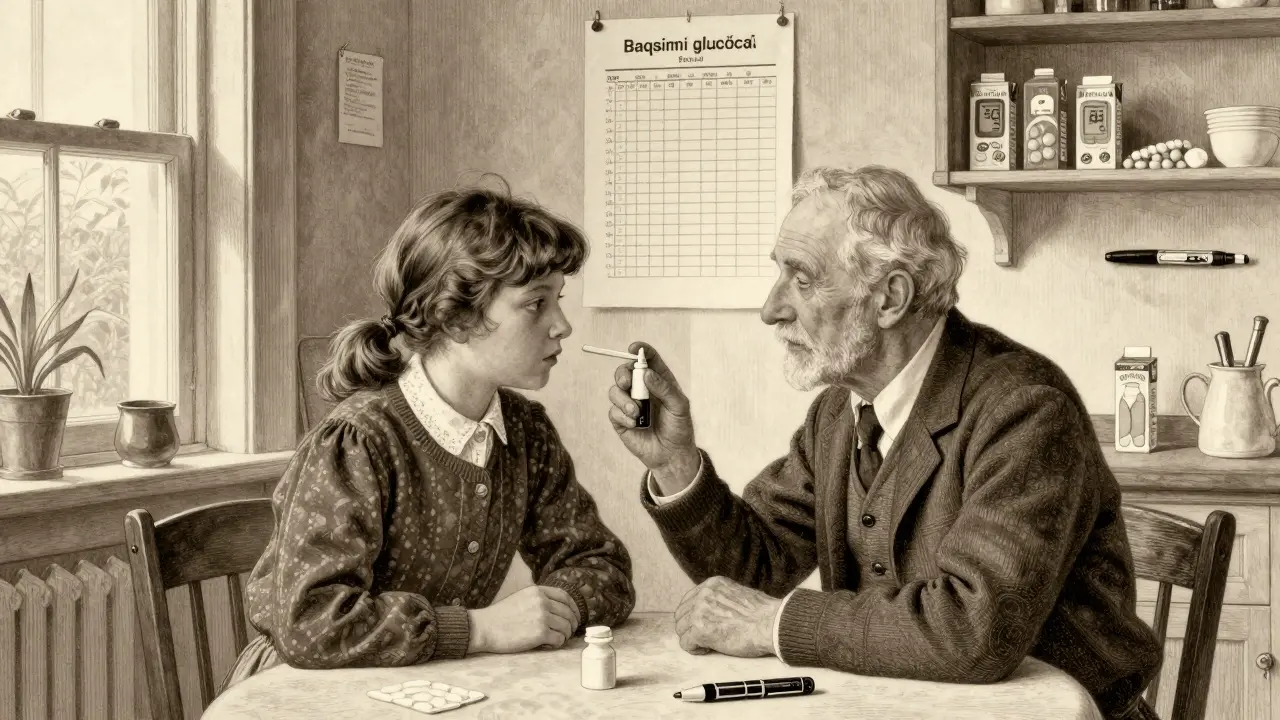
If someone is unconscious, seizing, or can’t swallow, you can’t give them oral sugar. That’s where glucagon comes in.There are two easy options now:
- Baqsimi (nasal spray): No needle. Just insert into one nostril and press. Works in 10 seconds. Costs about $250.
- Gvoke (pre-filled syringe): Liquid, no mixing. Injects like an EpiPen. Costs around $350.
Both replaced old kits that required mixing powder and liquid-something most people couldn’t do under stress. In 2023, the FDA approved dasiglucagon (Zegalogue), which is stable at room temperature and ready in 10 seconds. If you’re on insulin, your doctor should prescribe glucagon. Carry it. Teach a family member or coworker how to use it. One in 10 diabetes hospital admissions is from untreated hypoglycemia.
Technology Is Changing the Game
You don’t have to live in fear. Modern tools make managing lows easier than ever.Here’s what’s working right now:
- Smart insulin pens (like InPen): Track your dose, remind you when to take it, and sync with apps. Costs $150 upfront, sensors $50/month.
- Automated insulin delivery (AID) systems (like Tandem x2 with Control-IQ): Adjusts insulin automatically based on CGM data. Reduces nighttime lows by 3.1 hours per night.
- AI-driven dosing: The DIAMOND-2 trial (2024) is testing algorithms that predict lows before they happen. Early results show 60% fewer events.
Cost is still a barrier. CGMs cost $1,200 a year out-of-pocket for Medicare patients. But Medicare now covers them for all insulin users. If you’re struggling to afford supplies, ask your clinic about patient assistance programs. Many manufacturers offer free devices or discounted sensors.
What Your Doctor Should Be Asking You
Your care shouldn’t be one-size-fits-all. The ADA and Endocrine Society updated guidelines in 2023 to say this clearly: Target blood sugar levels should be individualized.Ask your doctor:
- “Am I at high risk for hypoglycemia?”
- “Should I switch to a lower-risk medication?”
- “Do I need a CGM?”
- “Can we adjust my target range? I’m not comfortable with numbers below 80.”
For older adults or those with heart disease, the new target is 80-130 mg/dL before meals-not the old 70-130. Why? Because the risks of a low outweigh the benefits of ultra-tight control. One study in JAMA Internal Medicine found that people over 65 with multiple conditions had a 40% higher chance of severe lows. That’s not a statistic-it’s a life-or-death risk.
Real-Life Strategies That Work
Real people, real results:- Setting phone alarms for meals and snacks. 67% of users who do this cut their lows in half.
- Keeping a written log of every low: time, symptoms, what you ate, your meds. People who log consistently reduce lows by 37% in 3 months.
- Using the Joslin Diabetes Center’s logbook format: columns for meds, meals, activity, and glucose. It takes 10-15 minutes a day, but cuts lows by 52%.
- Practicing carb counting with a food scale. 80% accuracy takes 3-5 sessions. Guessing “a serving” leads to errors-and lows.
One man in Bristol, 71, with type 2 diabetes on glimepiride, started using a CGM and setting alarms for lunch. His lows dropped from 4 times a week to once a month. He says: “I didn’t know I was going low until I saw the graph. Now I eat before I feel hungry.”
What to Do If You Keep Having Lows
If you’re still having frequent lows despite following all the advice:- Get a CGM if you don’t have one.
- Review your medication timing with your pharmacist.
- Ask about switching from sulfonylureas to a lower-risk drug like DPP-4 inhibitors (sitagliptin) or GLP-1 agonists (semaglutide).
- Check your kidney function. If your eGFR is below 60, your meds may build up and increase risk.
- Consider a diabetes educator. The ADA’s “Hypoglycemia Uncovered” program cuts events by 45% with just 60 minutes of training.
Hypoglycemia isn’t a failure. It’s a signal. Your body is telling you your treatment plan needs tweaking. Don’t ignore it. Don’t feel guilty. Work with your care team. You deserve to live without fear of a low.
Can I still drive if I have hypoglycemia?
Yes-but only if you check your blood sugar before driving and keep fast-acting carbs in the car. If you’ve had a severe low in the past 6 months, you may need to wait 4 hours after your last episode before driving. Always follow your doctor’s advice and local regulations. In the UK, you must inform the DVLA if you have frequent hypoglycemia or unawareness.
Why do I get lows at night even if I eat dinner?
Long-acting insulin or sulfonylureas can peak hours after dinner. Your body’s insulin sensitivity increases at night, and your liver slows glucose production. Check your bedtime glucose. If it’s below 100 mg/dL, have a small snack with protein and slow-digesting carbs-like cheese and whole grain crackers. Avoid sugary snacks before bed.
Do I need to carry glucagon if I’m on metformin?
No-if you’re only on metformin, you’re not at risk for hypoglycemia. But if you’re on metformin plus insulin or a sulfonylurea, then yes. Glucagon is only needed for insulin-requiring or high-risk regimens. Ask your doctor whether your combination puts you in the high-risk group.
Can hypoglycemia cause long-term damage?
Frequent severe lows can affect memory, attention, and reaction time over time. A 2022 study in Diabetes Care found that people with 3+ severe lows per year had a 30% higher risk of cognitive decline. The good news? Preventing lows protects your brain. Using a CGM and adjusting your meds can reverse this risk.
Is it safe to use glucose tablets every day?
Yes. Glucose tablets are pure dextrose-no additives, no calories from fat or protein. They’re designed for medical use. If you’re using them 2-3 times a week for lows, that’s normal. If you’re using them daily without a low, you may be overtreating or misreading your numbers. Talk to your diabetes educator about your patterns.