
Order-RxPills.com: Your Trusted Pharmaceutical Resource - Page 2

Why Generic Drugs Look Different: The Role of Trademark Laws Explained
Understand why generic pills look different from brand names. Explore the trademark laws, FDA rules, and safety checks behind medication appearances.
Language Barriers and Medication Safety: How to Get Help
Discover how language barriers impact medication safety and learn practical steps to access professional interpreters. Protect your health by understanding your rights and avoiding common pitfalls in healthcare communication.

Cervical Myelopathy: Spinal Stenosis Symptoms and When Surgery Is Needed
Cervical myelopathy is spinal cord compression in the neck caused by stenosis. Early symptoms include hand clumsiness and gait problems. Without surgery, it worsens over time. Timely intervention prevents permanent damage.

Child and Adolescent Depression: Family Therapy vs. Medications
Family therapy and medications like fluoxetine and escitalopram are key treatments for adolescent depression. Learn when each works best, how they compare, and why combining them often leads to the best outcomes.
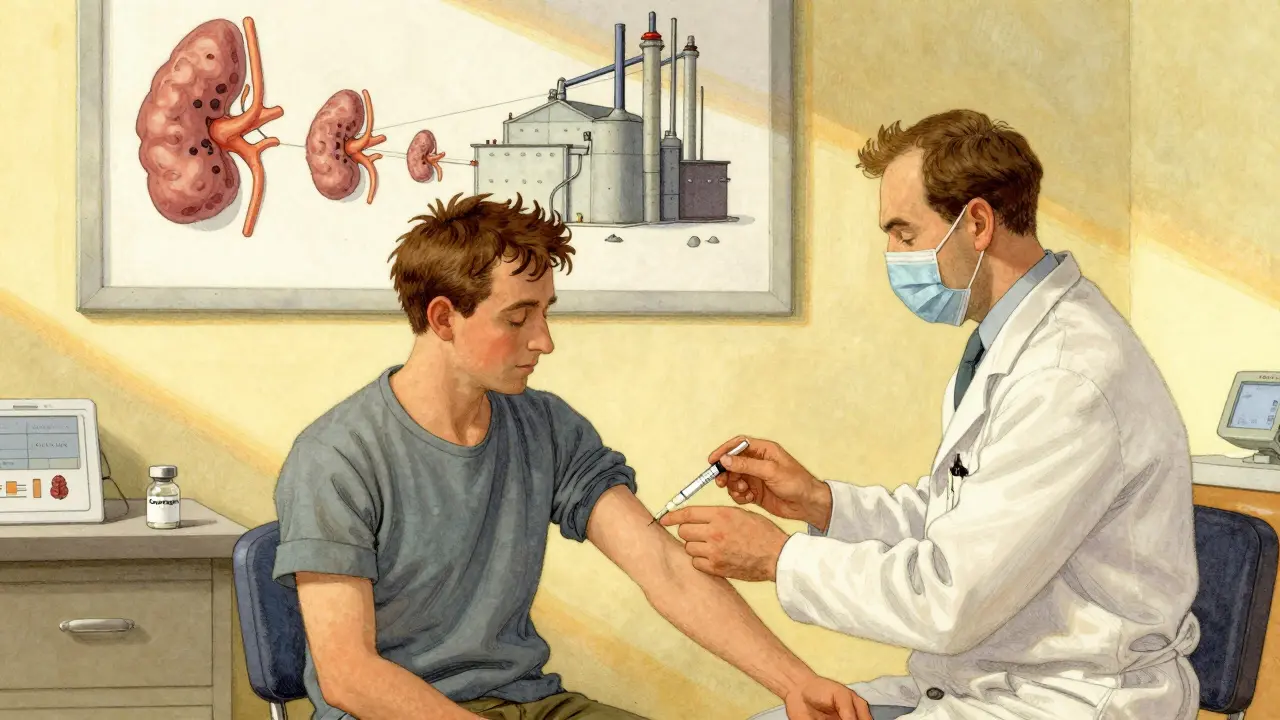
Long-Term Steroid Tapers: How ACTH Testing Guides Adrenal Recovery
Long-term steroid use suppresses natural cortisol production. ACTH stimulation testing is the gold standard to safely restart adrenal function and prevent life-threatening adrenal crisis during tapering.
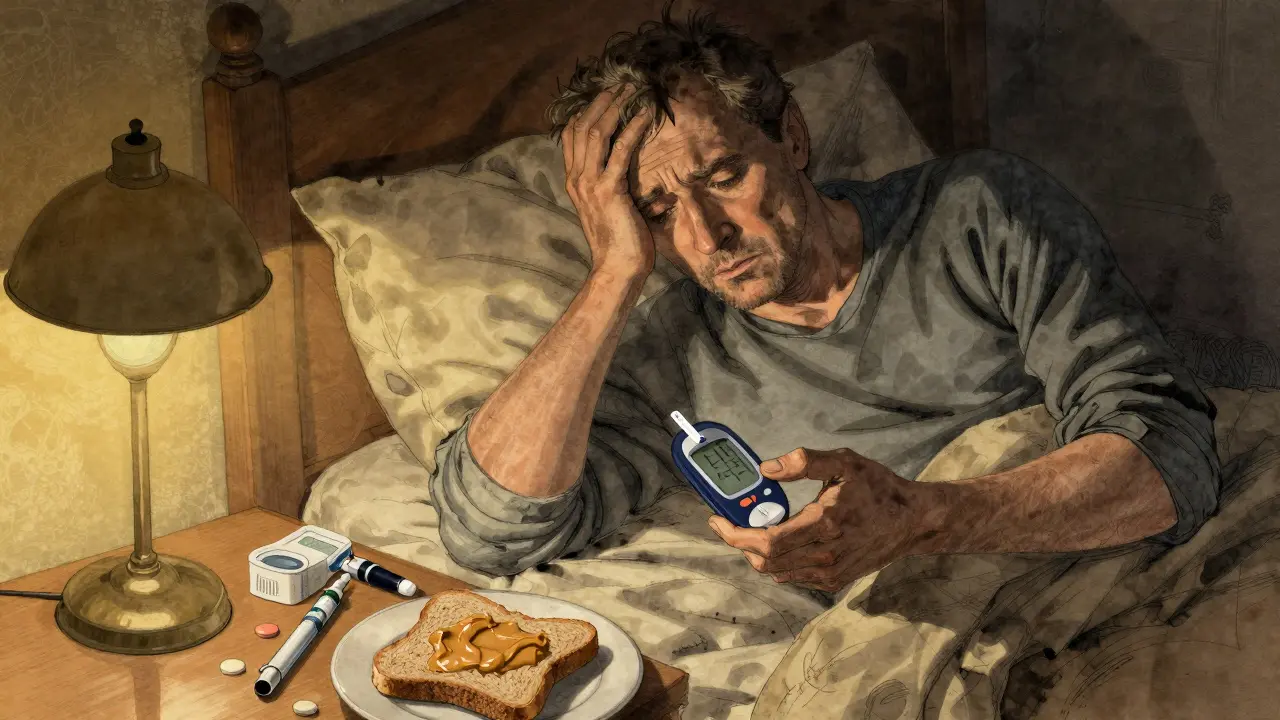
Managing Hypoglycemia from Diabetes Medications: A Practical Guide for Daily Life
Hypoglycemia from diabetes meds like insulin and sulfonylureas is common and dangerous. Learn how to recognize early signs, treat lows with the 15-15 rule, prevent nighttime crashes, use glucagon, and leverage modern tools like CGMs to stay safe.

Pediatric Antihistamine Dosing Errors: How to Prevent Dangerous Side Effects
Pediatric antihistamine dosing errors cause thousands of ER visits each year. Learn how to measure the right dose, avoid dangerous mistakes, and keep your child safe with simple, proven steps.
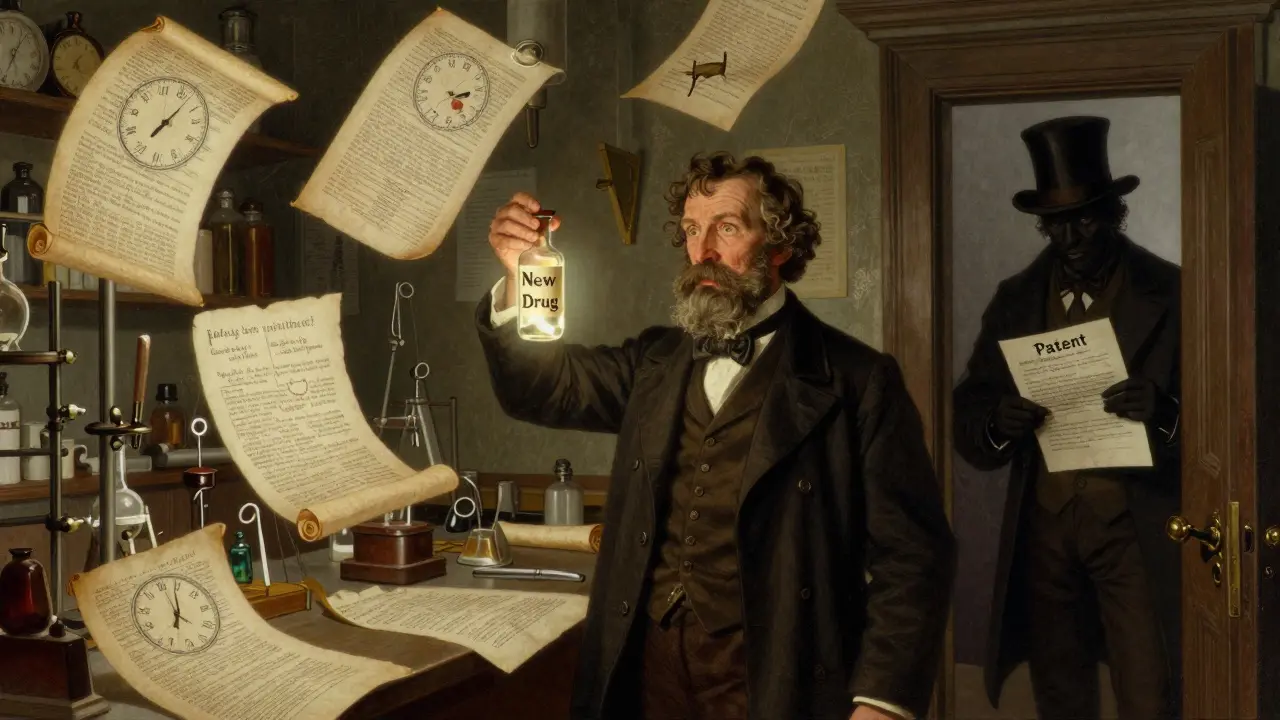
Patent Law and Generics: How Patents Protect Innovation in Pharmaceuticals
Patent law protects pharmaceutical innovation by granting 20-year exclusivity, enabling companies to recoup billions in R&D costs. The Hatch-Waxman Act balances this with a legal pathway for generics, saving U.S. healthcare $373 billion annually while driving down drug prices by up to 90%.
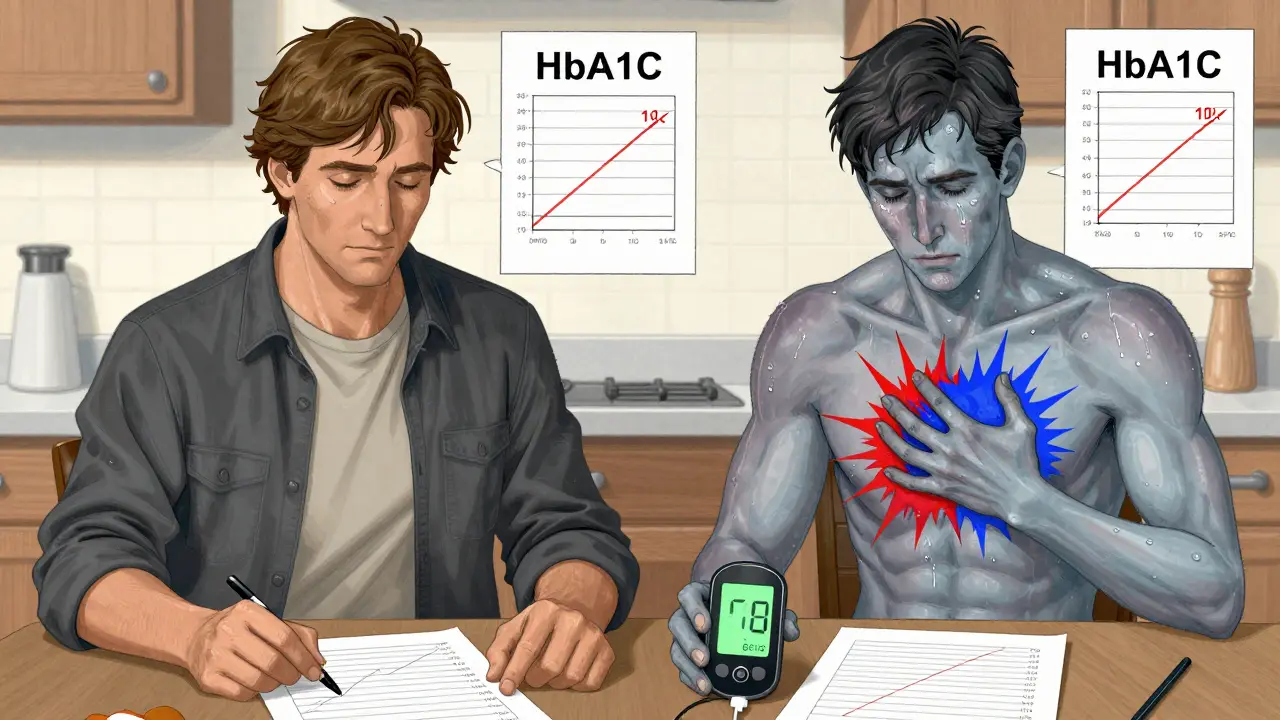
Time in Range: How CGM Metrics Help You Manage Diabetes Daily
Time in Range (TIR) gives you a real-time view of your blood sugar instead of a 3-month average. Learn how CGM data helps you spot patterns, avoid highs and lows, and improve diabetes outcomes daily.
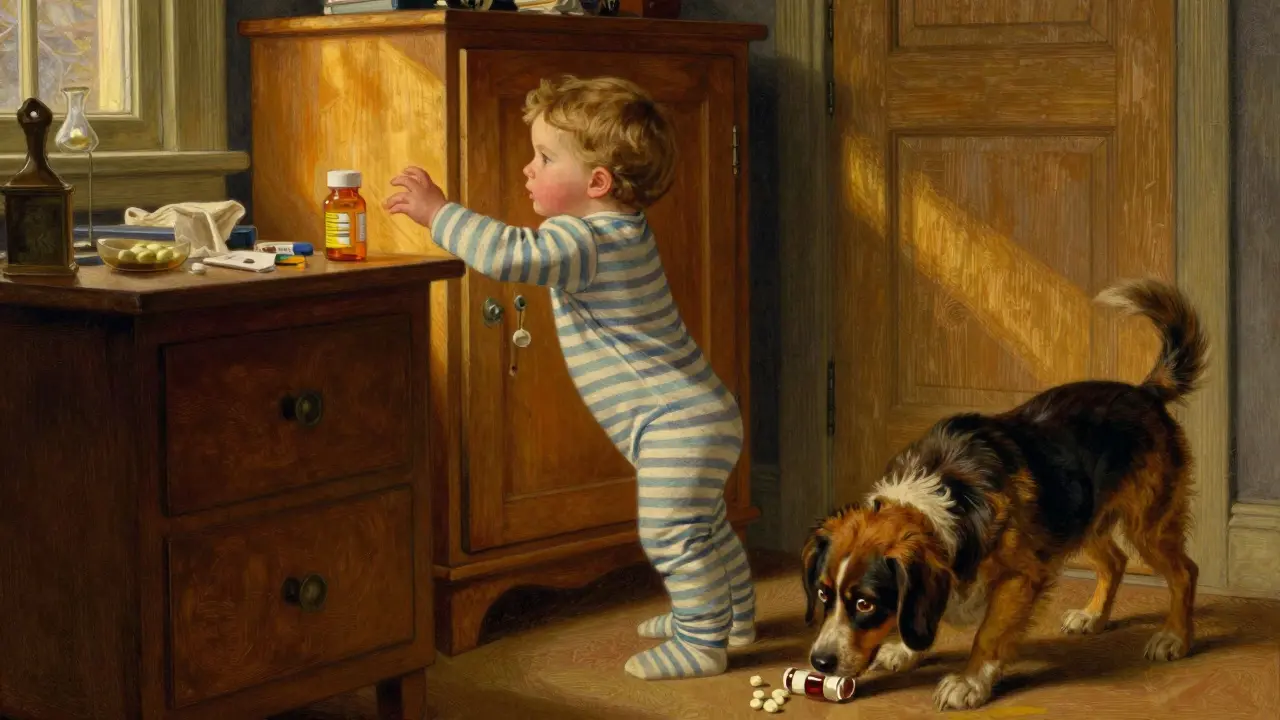
Safe Storage of Medications: Keeping Children and Pets Protected
Accidental medicine poisoning kills and injures thousands of children and pets every year. Locking up meds, keeping human and pet drugs separate, and using original packaging can prevent most of these tragedies. Simple steps save lives.