
3 Dec 2025
- 12 Comments
Why the First Trimester Is the Most Important Time for Medication Decisions
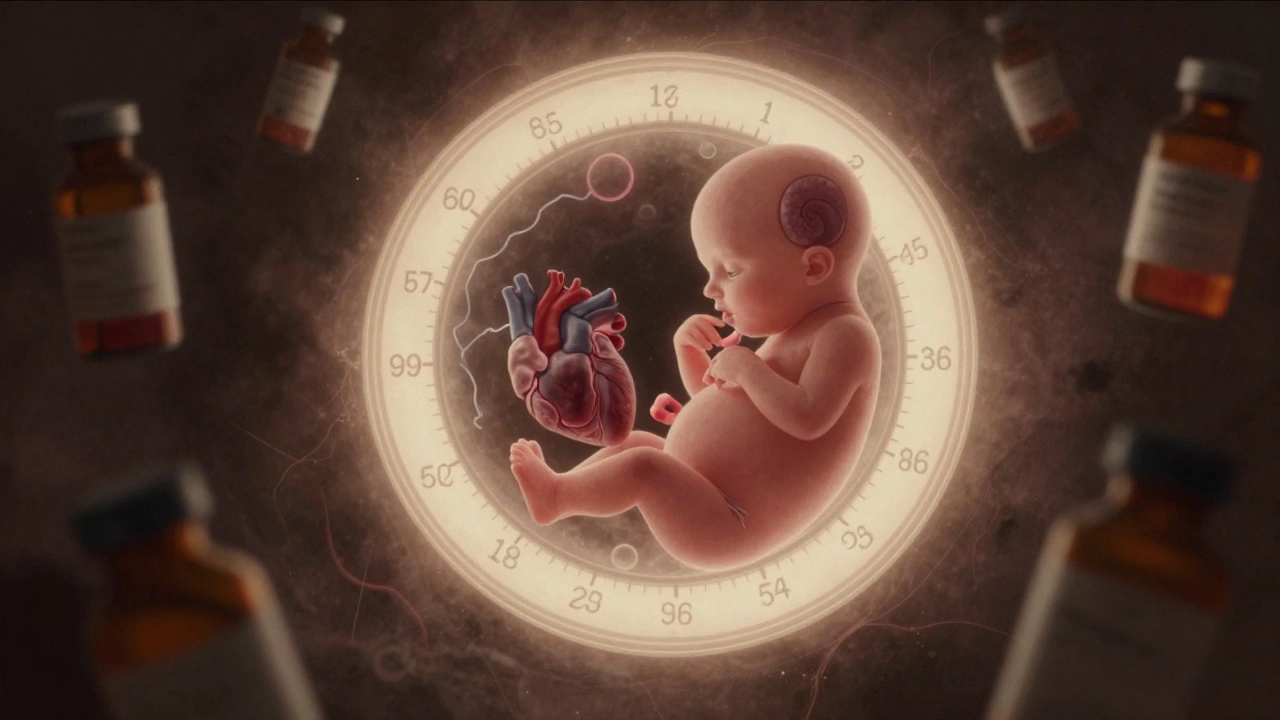
Most people don’t realize that the first 12 weeks of pregnancy are when the baby’s entire body is being built-from the heart and brain to fingers and toes. This isn’t just a time of rapid growth; it’s a window of extreme vulnerability. If a medication interferes during this period, it can cause serious birth defects. The most dangerous time? Between days 17 and 56 after conception. That’s when organs form, and even small exposures can have lasting effects.
By week 8, the embryo has already developed its major structures. After that, the risk shifts from structural defects to growth and functional problems. But the damage done in the first trimester? It’s often permanent.
What Medications Are Most Commonly Used-and Risky?
Over half of pregnant women take at least one medication in the first trimester. Many do so without knowing the risks. Here’s what shows up most often in medical records:
- Acetaminophen (Tylenol): Used by 30% of pregnant women for pain or fever. Long considered safe, but newer studies link prolonged use to a 30% higher risk of ADHD and a 20% higher risk of autism spectrum disorder. That doesn’t mean you can’t use it-just don’t take it daily for weeks without talking to your doctor.
- NSAIDs (ibuprofen, naproxen): Used by 4-5% of women. These aren’t just risky after 20 weeks; a 2011 Canadian study found they raise the chance of miscarriage by 60% in early pregnancy.
- Pseudoephedrine (Sudafed): A common cold remedy. One 2002 study tied it to a 1.2 to 1.3 times higher risk of gastroschisis-a rare abdominal wall defect.
- Progestins and estrogen: Often from birth control pills taken unknowingly before realizing you’re pregnant. While most exposures don’t cause harm, they’re still flagged because they’re hormone-active.
- Antibiotics like amoxicillin: One of the safest. Used by 3% of pregnant women. Penicillins and cephalosporins are generally low-risk.
Medications That Can Cause Major Birth Defects
Some drugs have clear, well-documented dangers during early pregnancy. Avoid them completely unless no other option exists:
- Isotretinoin (Accutane): Used for severe acne. This drug carries a 20-35% risk of major birth defects-heart problems, brain malformations, facial clefts-and up to a 60% risk of cognitive impairment. It’s a black box warning for a reason.
- Paroxetine (Paxil): An SSRI antidepressant. First-trimester use raises the risk of heart defects, especially ventricular septal defects, by 1.5 to 2 times.
- Corticosteroids (prednisone): May increase the chance of cleft lip or palate by 1.3 to 1.6 times, based on a 2013 meta-analysis.
- Fluconazole (Diflucan): Oral form, especially in high doses, has been linked to rare skull and facial abnormalities. Topical antifungals like clotrimazole are much safer.
- Tetracycline antibiotics: Cause permanent tooth discoloration and weak enamel if taken after week 15-but they’re still risky in early pregnancy because they cross the placenta easily.
What’s Actually Safe? The Real Answer
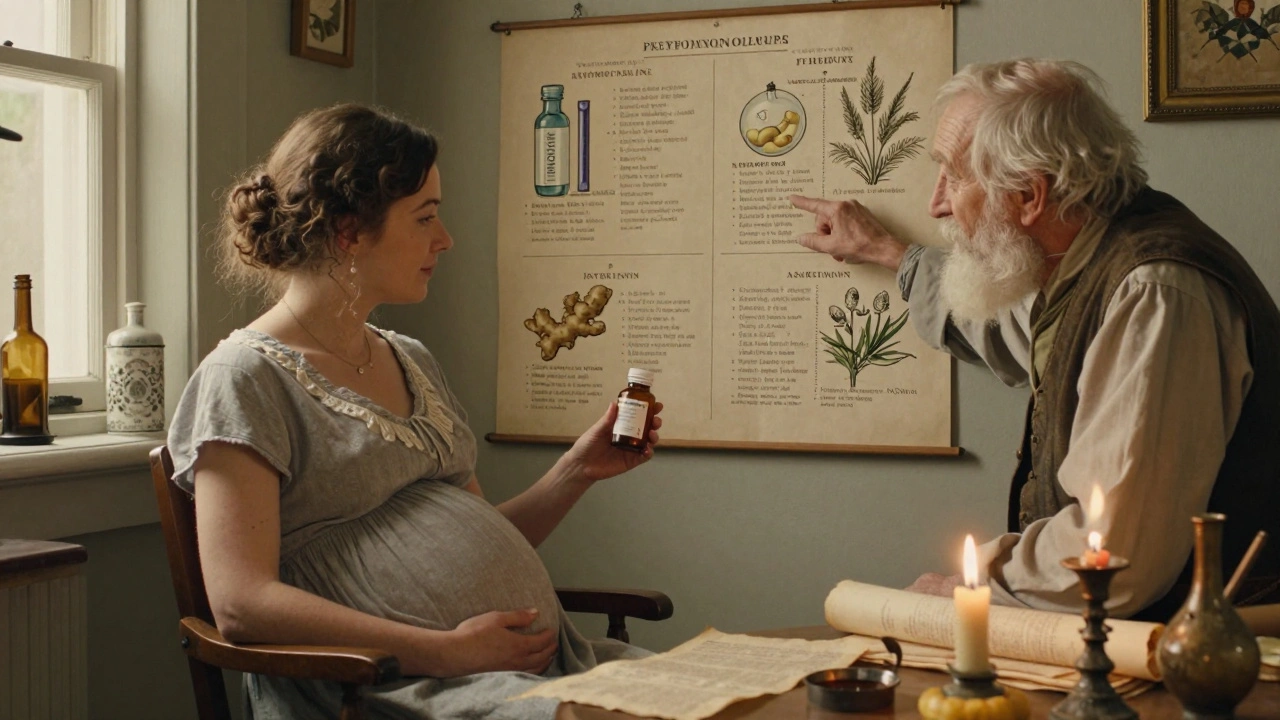
There’s no perfect list. Even "safe" medications have gray areas. But here’s what experts agree on:
- Acetaminophen: Still the top choice for pain and fever. Use the lowest dose needed-no more than 3,000 mg per day if possible-and avoid daily use beyond a few days.
- Penicillins and cephalosporins: Antibiotics like amoxicillin and cephalexin have decades of safe use in pregnancy.
- Loratadine (Claritin) and cetirizine (Zyrtec): These antihistamines are preferred over diphenhydramine (Benadryl) for allergies, as Benadryl can cause drowsiness and may affect fetal movement.
- Levothyroxine: For hypothyroidism. Not only safe, but essential. Untreated thyroid disease increases miscarriage and developmental delay risk. Dose often needs adjustment by week 8.
- Hydroxychloroquine (Plaquenil): Used for lupus and rheumatoid arthritis. No increased risk of birth defects, even in the first trimester.
The Dangerous Myth: "It’s Just a Little Bit"
Many women think, "I only took one ibuprofen," or "I didn’t know I was pregnant." That’s normal. But the problem isn’t always the dose-it’s the timing. A single dose of isotretinoin during organogenesis can be enough. A few days of NSAIDs in week 6 might not cause harm, but it’s impossible to know for sure without knowing exactly when conception happened.
And here’s the hard truth: we don’t know the safety of 96% of commonly used medications. The FDA says 98% of drug labels lack good pregnancy data. That’s not a failure of the patient-it’s a failure of the system. Pharmaceutical companies aren’t required to test drugs on pregnant people. So doctors are guessing.
How to Make Smart Decisions
You don’t have to panic. You just need a plan. Follow these steps:
- Confirm your dates. Use your last period and early ultrasound to pinpoint when conception happened. That tells you which developmental stage you’re in.
- Don’t stop meds cold turkey. Stopping seizure meds, insulin, or antidepressants can be more dangerous than staying on them. For example, uncontrolled epilepsy increases fetal death risk by 400%. Uncontrolled diabetes raises birth defect risk from 2-3% to 10-15%.
- Check with a specialist. Call MotherToBaby (1-866-626-6847) or ask your OB for a referral. They’re teratology experts who review your exact meds, doses, and timing.
- Try non-drug options first. For nausea: ginger, vitamin B6, acupressure. For allergies: saline nasal spray. For back pain: prenatal yoga, physical therapy.
- Use the lowest dose for the shortest time. Even safe meds can add up. If you need pain relief for 3 days, don’t take it for 10.
What to Do If You’ve Already Taken Something Risky
If you took a medication before you knew you were pregnant, don’t panic. Most exposures don’t cause harm. But do this:
- Write down the name, dose, and dates you took it.
- Call MotherToBaby or your OB. They’ll tell you if the risk is real, theoretical, or negligible.
- Don’t rely on Google or Reddit. A single study might say "possible link," but experts know if that study had 10 people or 10,000.
- Get an early anatomy scan at 18-22 weeks. It’s the best way to check for structural problems.
What’s Changing in 2025?
The FDA’s Pregnancy Exposure Registry is tracking over 10,000 pregnancies exposed to specific drugs. The NIH’s PregSource project collected data from 12,000 women-self-reported medication use, symptoms, and outcomes. These aren’t just research projects. They’re building the first real database on what’s safe.
But here’s the catch: it’s still slow. New drugs come out every year. The gap between what’s prescribed and what’s known will remain for years. That’s why your doctor’s advice matters-but so does your own research. Ask: "What’s the evidence? Is this based on animal studies or real human data?" If they can’t answer, ask for a specialist.
Bottom Line: Knowledge Is Your Best Protection
You can’t avoid every risk. But you can reduce it. The first trimester isn’t about being perfect-it’s about being informed. Don’t take anything without checking. Don’t assume something is safe because it’s "over the counter." And don’t feel guilty if you took something before you knew you were pregnant. Most women do. What matters now is what you do next.
Talk to your provider. Use trusted resources. And remember: sometimes the safest choice isn’t a pill-it’s a conversation.
Is acetaminophen really safe during the first trimester?
Acetaminophen is still the safest pain reliever for pregnancy, but recent studies suggest prolonged daily use may slightly increase the risk of ADHD and autism. Use it only when needed, stick to the lowest effective dose (no more than 3,000 mg per day), and avoid using it for more than a few days in a row. Occasional use for fever or headache is generally considered low-risk.
Can I take ibuprofen in the first trimester?
It’s best to avoid ibuprofen and other NSAIDs during the first trimester. A 2011 study of over 4,700 pregnancies found a 60% higher risk of miscarriage with NSAID use in early pregnancy. Even if you only took one dose, it’s worth discussing with your provider. Switch to acetaminophen instead.
What if I took Accutane before I knew I was pregnant?
Isotretinoin (Accutane) is one of the most dangerous drugs in pregnancy, with a 20-35% risk of major birth defects. If you took it within the last few weeks before conception, contact MotherToBaby or your OB immediately. They can assess your exact timing and exposure level. While not every exposure leads to harm, you’ll need close monitoring, including a detailed anatomy scan.
Are antidepressants safe in the first trimester?
Some SSRIs carry risks. Paroxetine is linked to heart defects and should be avoided. Fluoxetine, sertraline, and citalopram have no strong evidence of major birth defects, but they may cause temporary newborn symptoms like jitteriness or breathing trouble after birth. Stopping antidepressants can increase depression relapse risk, which also harms pregnancy. Work with a psychiatrist and OB to choose the safest option for you.
How do I know if a medication is safe during pregnancy?
Don’t rely on labels-they’re often outdated. Use MotherToBaby (1-866-626-6847), a free service staffed by teratology experts. They review human studies, not just animal data. You can also ask your OB to refer you to a maternal-fetal medicine specialist. For most medications, there’s no perfect answer-but there are better ones.
Dematteo Lasonya
December 4, 2025I took acetaminophen for a week straight before I knew I was pregnant. I panicked for days. Called MotherToBaby and they said the risk is minimal if it wasn't daily long-term. Relief doesn't even begin to cover it.
Rudy Van den Boogaert
December 6, 2025Honestly, I wish more doctors would say this out loud: we're flying blind on most meds. I had to research everything myself because my OB just said 'it's probably fine.' That's not enough when you're trying to protect a tiny human.
Gillian Watson
December 6, 2025Glad someone mentioned the FDA registry. I’ve been contributing my data to PregSource. It feels good to be part of the solution, even if it’s just a tiny drop in the ocean.
Yasmine Hajar
December 7, 2025If you took one ibuprofen in week 5 and now you’re freaking out? Breathe. Most exposures don’t cause harm. But if you’re still worried? Call MotherToBaby. They’ve heard every scenario. They won’t judge you. They’ll help you.
val kendra
December 9, 2025My OB told me to stop all meds cold turkey. I had lupus. Stopped Plaquenil. Ended up in the hospital with a flare. Turned out I should’ve stayed on it. Don’t listen to blanket advice. Get a specialist. Your baby deserves that.
Pavan Kankala
December 9, 2025Big Pharma doesn’t want you to know this but they’ve been poisoning pregnant women for decades. The ‘safe’ meds? All tested on rats. The real data? Buried. You think acetaminophen is safe? Try asking a scientist who works in toxicology.
Jordan Wall
December 10, 2025The fact that we’re still using ‘acetaminophen is safe’ as gospel is a travesty. We’re in 2025 and the only thing worse than a drug label is a *lack* of one. Also, if you’re taking anything without a teratologist on speed dial, you’re gambling with DNA. 🧬💀
Gareth Storer
December 11, 2025So let me get this straight - we’re supposed to trust a 2011 Canadian study on NSAIDs but ignore the 2023 meta-analysis that says the same thing is fine? Yeah, right. The real danger isn’t the meds. It’s the people who treat this like a choose-your-own-adventure book.
Libby Rees
December 11, 2025I took levothyroxine the whole time. My endocrinologist adjusted my dose every four weeks. I didn’t panic. I trusted the science. And now my daughter is a healthy two-year-old who loves dinosaurs. This isn’t about fear. It’s about facts.
Isabelle Bujold
December 12, 2025I spent six months researching every medication I took during my first trimester because I had gestational diabetes and migraines. I read every study I could find, called MotherToBaby twice, talked to a maternal-fetal specialist, and even joined a Facebook group for pregnant women on metformin. I didn’t find perfect answers, but I found better ones. And honestly? That’s all you can ask for. The system is broken, but you’re not powerless. Knowledge is your shield. Don’t let anyone tell you otherwise.
Alex Piddington
December 12, 2025As a healthcare provider, I can’t stress enough: don’t stop your essential meds without guidance. I’ve seen too many patients stop insulin or seizure meds because they were scared. The risk of uncontrolled illness is often far greater than the risk of the medication. Talk to your team. Don’t go it alone.
Jake Deeds
December 13, 2025I’m just glad someone finally said it: the real tragedy isn’t that people take meds before they know they’re pregnant. It’s that we’ve normalized this uncertainty. We treat pregnancy like a science experiment where the subject is your child. And we wonder why people are terrified. Maybe we should stop pretending we have all the answers.