
30 Mar 2026
- 11 Comments
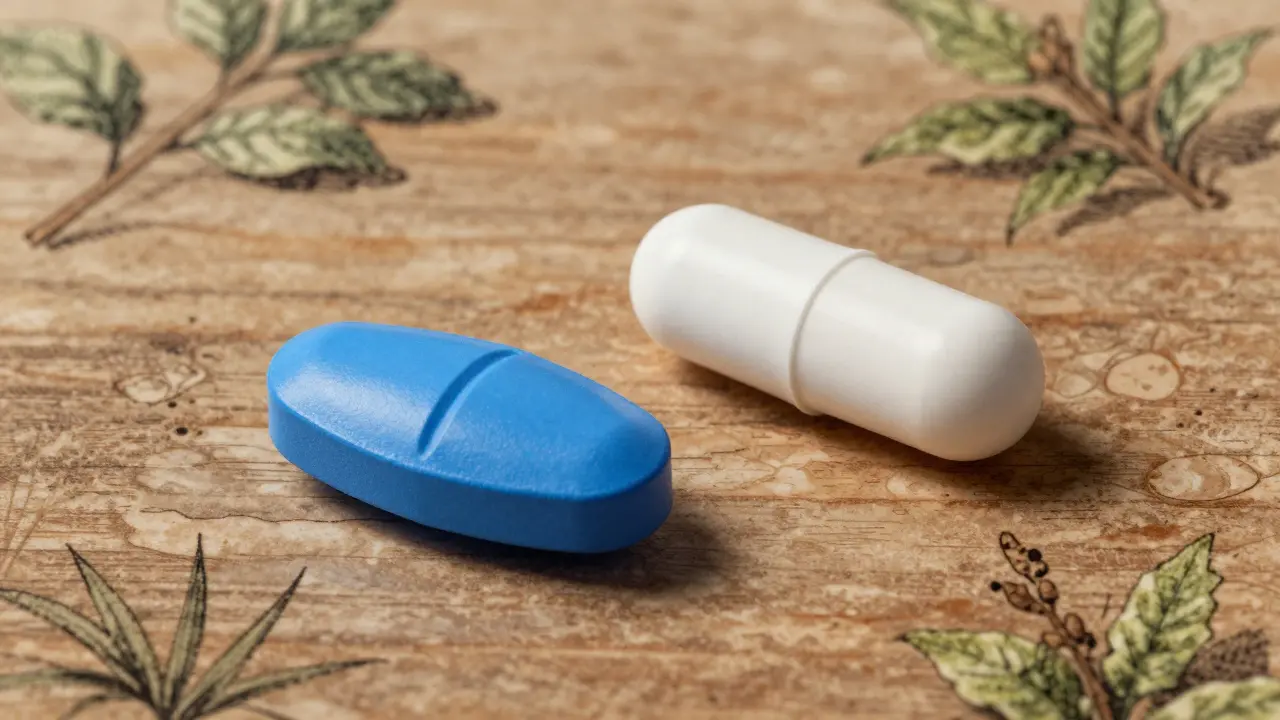
You walk into your local pharmacy, ready to refill your prescription. When the pharmacist hands you the bottle, you pop off the cap and take a peek. The pills inside aren't the bright blue ovals you've taken for years. Instead, they are white capsules with a tiny imprint you've never seen before. Your mind races. Did the pharmacist make a mistake? Is this even the right medicine? Before you panic, know this: what you are looking at is perfectly normal and legally required.
The reason behind the changing faces of our medicines isn't a glitch in the system; it's a feature designed by the law. While many people assume generic drugs must copy everything about their brand-name counterparts to work the same way, the truth involves a complex dance between medical science and intellectual property rights. This guide unpacks exactly why your medication changes look, who decides what can change, and how you can stay safe when the pill doesn't match your memory.
The Legal Framework Behind Pill Appearance
To understand why generic drugs cannot look identical to brand-name drugs, you have to separate two types of protection that pharmaceutical companies use: patents and trademarks. Patents protect the formula itself for a set number of years, usually around twenty years from the filing date. Once that patent expires, other manufacturers are free to produce the same active chemical compound. This allows them to sell the drug at a much lower price because they didn't pay for the initial research and development costs.
However, trademarks are different. A trademark protects the brand identity, including the company name, logo, and crucially, the physical "trade dress" of the product. In the pharmaceutical industry, the trade dress includes the specific color, shape, size, and scoring pattern of the pill. U.S. Trademark Law is designed to prevent consumer confusion between products from different manufacturers. If Company A makes a red heart-shaped pill and Company B creates an exact copy of that red heart-shaped pill after the patent expires, customers might mix up the bottles. Therefore, generic manufacturers must design their pills to look distinct, even though the medicine inside functions the same.
This requirement is codified in federal practice overseen by regulators. The goal is to keep market competition healthy while protecting the original innovator's ability to maintain customer loyalty. It creates a unique situation where two pills contain the exact same therapeutic agent but wear entirely different clothing. This legal boundary ensures that when you buy a brand-name drug, you get the manufacturer's specific version, and when you switch to a generic, you get a new visual identity.
What Stays the Same and What Changes
Understanding which parts of a pill are fixed and which are flexible is vital for managing expectations. The non-negotiable element is the active ingredient. This is the chemical component that actually treats your condition. For a generic to be approved, it must demonstrate bioequivalence. This means the generic drug must deliver the same amount of active ingredient into your bloodstream within a similar timeframe as the brand-name version. Regulatory standards typically require that the blood levels of the generic fall within a range of 80% to 125% of the brand-name drug's performance.
Beyond the active ingredient, however, manufacturers have significant freedom. They can alter the inactive ingredients, often called excipients. These include fillers, binders, colorants, flavorings, and preservatives. While these components do not cure the disease, they play a role in the pill's stability and taste. Because these elements are considered part of the trade dress or manufacturing process rather than the therapeutic core, generic companies customize them to avoid copying the brand.
| Feature | Brand-Name Drugs | Generic Drugs |
|---|---|---|
| Active Ingredient | Protected by Patent | Identical Chemical Composition |
| Pill Color/Shape | Unique Design (Trademark) | Must Differ Visually |
| Inactive Ingredients | Proprietary Formula | Can Vary (Excipients) |
| Approval Process | Clinical Trials Required | Bioequivalence Proof Required |
| Cost to Patient | Higher Price Point | Significantly Lower Cost |
Even though the physical appearance shifts, the performance metrics remain strictly monitored. You might notice a slight difference in how fast the pill dissolves or a minor variation in taste. Studies suggest these differences generally fall within acceptable safety margins, with absorption rates showing negligible variances in clinical settings. The focus remains on therapeutic equivalence, ensuring that regardless of the shell, the medicine works.
Regulatory Oversight and Safety Checks
No medicine enters the market without strict scrutiny. In the United States, the Food and Drug Administration (FDA) acts as the gatekeeper for both brand and generic approvals. When a generic manufacturer wants to launch a new version of a common drug, they submit an Abbreviated New Drug Application (ANDA). This application includes detailed data proving the active ingredient works identically to the reference listed drug.
The agency reviews this evidence before approval happens. They specifically check that the generic meets the quality standards regarding purity and strength. While they do not enforce copying the brand's look, they recommend that generic applicants try to keep the size and shape similar to the brand name product to reduce patient confusion, balancing trademark law with patient safety. However, the final design choice often rests on the manufacturer to avoid infringing on another company's protected visuals.
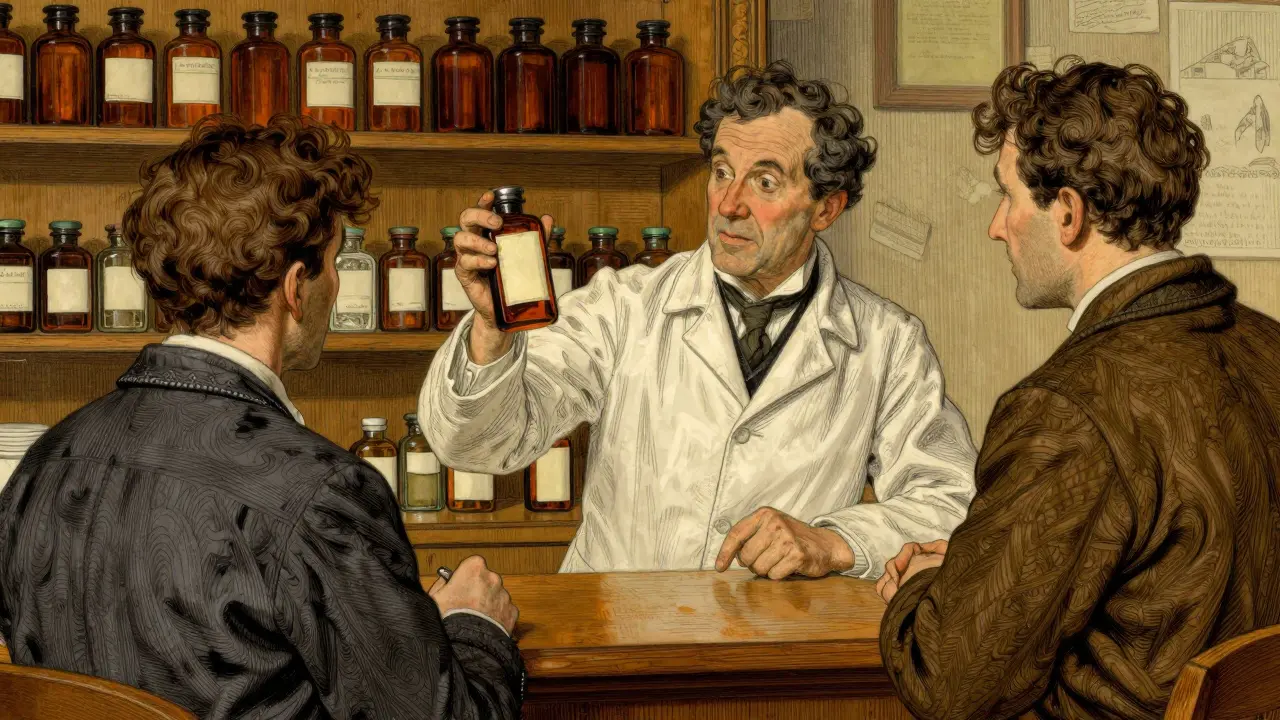
Safety extends beyond the factory floor to the dispensing counter. Pharmacists play a critical role in managing the transition when a patient switches brands. Because the look of the pill might change between refills due to different generic suppliers, pharmacy staff verify every order against the prescription details. If the pill looks significantly different than what the patient expects, a good pharmacist will explain the change and point out the matching label details.
Navigating Confusion and Managing Risks
Despite the safety guarantees, visual confusion remains a real-world risk. Imagine a patient taking multiple medications daily. If two pills suddenly change colors, they might accidentally mix them up, leading to potential errors. Healthcare organizations acknowledge this issue. Many hospital systems and community pharmacies now use unique barcoding on vials to distinguish between the brand and various generic versions available in stock.
Patient education plays a huge part in mitigating these risks. You should always read the printed label on the bottle rather than relying solely on the pill's appearance. The label lists the drug name, strength, and lot number. If you notice a sudden change in your medication's look, do not hesitate to ask the pharmacist. They can verify the change was expected and confirm the dosage hasn't changed unexpectedly.
- Check the Label: Always cross-reference the medication name on the bottle with your known prescription.
- Ask Questions: Don't be shy about asking if a refill looks different than the previous one.
- Keep One Brand: If you prefer a specific look, you can sometimes request the brand name on your prescription, though insurance may not cover the higher cost.
- Organize Meds: Using pill organizers helps separate drugs visually, reducing the chance of mixing up similarly colored capsules.
While confusion is possible, the economic benefit of generics cannot be overstated. Generic drugs typically cost between 80% to 85% less than their brand-name equivalents. This massive price drop saves millions of dollars for families and healthcare systems annually. The visual difference is the small price paid for making life-saving treatments accessible to everyone. Without these laws allowing competition, prices would likely remain high long after the original patent expires.
The Economic Impact of Generic Competition
The shift from brand to generic drives down market prices significantly. When patents expire, multiple companies enter the space to manufacture the same therapy. This competition forces prices down. As noted by health economists, this mechanism is essential for public health funding sustainability. In some cases, the volume of generic prescriptions fills up nearly 90% of all prescriptions in the U.S., yet accounts for a fraction of the total spending compared to brand drugs.
Manufacturers invest heavily in creating these distinct designs. They cannot simply replicate the competitor's mold; they must commission new tooling, test new coating materials, and register new shapes with trademark databases. This adds cost and time to the generic launch process, but it preserves the ecosystem where innovation is rewarded, yet eventually shared. The balance between protecting a creator's asset and providing public access defines modern healthcare economics.
Is it safe to take a generic pill that looks different?
Yes, it is safe. Generic drugs must pass rigorous testing to prove they perform the same way as brand-name drugs in the body. The appearance difference is a legal requirement for trademarks and does not affect safety or effectiveness.
Can I choose which generic manufacturer supplies my pill?
Can I choose which generic manufacturer supplies my pill?
Generally, pharmacies choose the cheapest supplier. However, you can ask your doctor to write "Dispense as Written" on the prescription to force the sale of a specific brand, though your insurance plan may charge you more for this option.
Why do pill colors matter if the medicine is the same?
Why do pill colors matter if the medicine is the same?
Colors are part of the trademark identity. Companies own the design of their pills. Preventing copies avoids confusion, ensures brand recognition, and protects intellectual property rights.
Do generic drugs work faster or slower than brand name?
Do generic drugs work faster or slower than brand name?
They must work within a specific time frame defined by bioequivalence standards. Any differences in speed of absorption are so small they do not impact clinical results for the vast majority of patients.
What should I do if I get a new-looking pill during a refill?
What should I do if I get a new-looking pill during a refill?
Verify the label name and dosage match your prescription. If unsure, ask the pharmacist to show you where they sourced the product. Do not take it until you are confident it is the correct medication.
Are there any risks in switching between generics?
Are there any risks in switching between generics?
Risks are minimal. Occasionally, different filler ingredients in different generics might cause mild sensitivities in rare individuals. Most patients experience no issues switching between approved generic versions.
How much cheaper are generic drugs usually?
How much cheaper are generic drugs usually?
On average, generic drugs cost between 80% to 85% less than the equivalent brand-name drugs. This savings varies depending on the number of competitors entering the market.
RONALD FOWLER
March 31, 2026i get the point about trademarks being separate from patents. its good to know the science stays the same even if the pill looks different. helps me feel better about switching brands
Jonathan Sanders
April 1, 2026oh wow finally someone explained why my meds look like chalk instead of candy. i guess the lawyers got bored again. typical corporate maneuvering disguised as safety protocol. makes you wonder who really benefits from the new packaging design. probably not the average joe paying the bill
emma ruth rodriguez
April 2, 2026Indeed; the regulations are quite clear regarding trademarks. Many people overlook the distinction between patent and trade dress. It is vital that we respect intellectual property rights. Furthermore; the FDA guidelines are explicit on this matter. One must verify every detail before consumption. Safety cannot be compromised for aesthetics. The visual cues serve a purpose. We should all educate ourselves on the matter.
Rick Jackson
April 2, 2026There is a beauty in the diversity of appearance. It reflects the individual nature of each manufacturer. Yet the core remains constant. Like truth hidden beneath varying expressions. We focus too much on the surface. The medicine works regardless of the shell. Trust the data not the shape.
Beccy Smart
April 3, 2026It's wild how they change the color 😳 You think they're playing tricks 🤔 but it's just the law 📜 Don't panic over the white pills 💊💯 Safety first always 🛡️🙏
Jonathan Alexander
April 4, 2026I nearly had a heart attack when the bottle changed last month. My hands were shaking thinking it was a fatal error. The pharmacist assured me it was normal procedure. Still gives me nightmares about mixing up dosages. One mistake could be disastrous for anyone relying on these treatments daily.
Charles Rogers
April 5, 2026You have to realize the deeper meaning behind the regulation. It is not just about money. It is about identity. People trust what they see. If everything looked the same confusion would arise. We ignore that fact often. Safety is paramount in these matters. Manufacturers take care to distinguish their products. They know the law requires this action. Patients benefit from the clarity. It creates a system of order. Chaos would ensue without these rules. History shows us this pattern. Legal frameworks protect the weak. We should appreciate the complexity involved.
Christopher Curcio
April 5, 2026Bioequivalence ranges of eighty to one twenty five percent are standard for approval metrics. Excipients vary significantly across different manufacturing facilities. Dissolution profiles remain consistent despite visual discrepancies. Pharmacists verify lot numbers during dispensing processes. Patient vigilance regarding label information mitigates potential errors effectively. Clinical outcomes remain stable across brand variations.
Angel Ahumada
April 6, 2026most people don't get why the shapes change they think it's random but it isn't really the legal side protects the company from being copied which keeps competition fair while preventing confusion in the pharmacy aisles which is actually quite smart honestly
Kendell Callaway Mooney
April 7, 2026Reading the label is the best way to stay safe. Ask your doctor if you want the same brand name every time. Insurance might cost more but peace of mind is worth it. Keep your pills organized so you do not mix them up. Generic options save a lot of money for families.
dPhanen DhrubRaaj
April 8, 2026I agree that reading the label is the most important thing to do